

Health + Wellness
Research-backed reading on antioxidants, sun exposure and skin that ages well.

Astaxanthin: The Wrinkle-Preventing Wonder Compound
Astaxanthin is a carotenoid. More specifically, it is grouped within a class of carotenoid molecules called xanthophylls, which also incl...
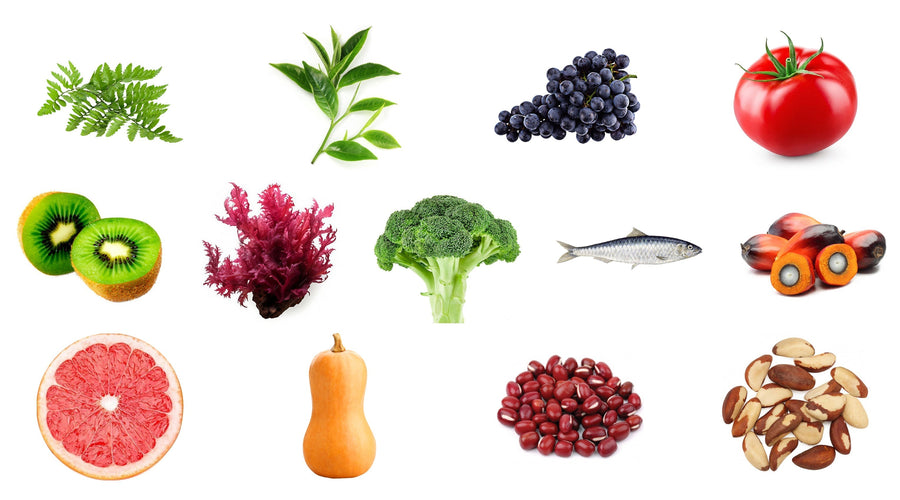
An Overview of the Ingredients in Sunsafe Rx
The secret of Sunsafe Rx is Antioxidine. Antioxidine is a proprietary formulation that contains a very precise, powerful blend of specifi...

How You Can Use Sunsafe Rx
Sunsafe Rx is designed for women and men of all skin types to help fight the appearance of skin aging. To benefit, simply take 1 capsule ...

21 Secrets for Clear, Healthy & Glowing Skin
Here’s how to achieve the amazing glow that you know your skin should have: 1. Eat Lots Of Colorful Veggies Antioxidants and nutrients su...
The FDA’s Recently (Finally) Released Sunscreen Guidance
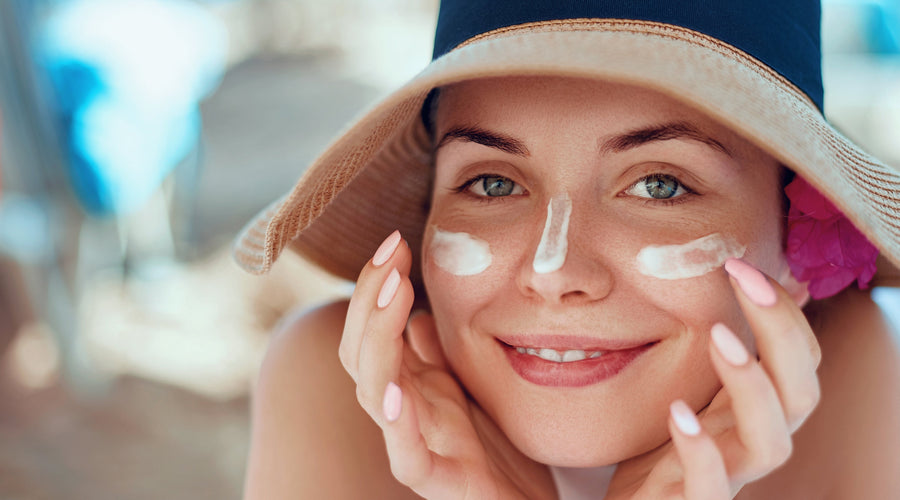
We keep being asked about the impact of the Federal Drug Administration’s (FDA’s) recently released (in 2011) sunscreen guidelines, so he...

Mineral Sunscreen Guide: Ingredients & Safety Tips
"Walk down any sunscreen aisle today and mineral formulas dominate the shelf — brands lead with 'reef-safe,' 'clean,' and 'for sensitive ...

Sunscreen Ingredients to Avoid for Safe Skin
Check the label of your sunscreen or sunblock for both the active and inactive ingredients. It’s best if your sunscreen contains only the...

EWG Sunscreen Guide: Hazards & Safe Options
Introduction Every year, the Environmental Working Group (EWG) publishes its Guide to Sunscreens — a report that rates thousands of sun-c...

How Sunlight and Ultraviolet Radiation Affect Us
The sun makes life on earth possible. Sunlight also has direct health benefits for humans, catalyzing our production of Vitamin D and eve...

What is Sunsafe Rx Health Tips?
The Sunsafe Rx Health & Wellness blog will be covering any and all topics related to human health. Our goal is to enlighten you with ...

Welcome to Sunsafe Rx Health Tips!
This marks the commencement of Napa Valley Bioscience’s Sunsafe Rx Health and Wellness blog at: Featured Product Sunsafe Rx: Natural Ant...
Download Our Free Anti-Aging Guide.
Learn how to naturally look younger and lead a longer, healthier, more-fulfilling life.

Great Skincare Goes Beyond The Surface.
Discover Sunsafe Rx — a daily antioxidant supplement designed to support skin health from the inside out. And so much more.
Subscribe and save 10% · Free shipping · Skip or cancel anytime · 60-day money-back guarantee
