

Health + Wellness
Research-backed reading on antioxidants, sun exposure and skin that ages well.

Sun Tanning Effects: Skin Damage & Protection Tips
A tan is not a sign of healthy skin — it's your body's damage response to UV radiation. When UV rays penetrate your skin, they damage cel...

Vitamin d and Sunlight: How to know if your sun exposure is producing vitamin d
Sunlight plays an important role in helping the body produce vitamin D, a nutrient essential for bone health, immune function, and overal...

The Effects Of Ozone Depletion On Your Skin And Eyes
Ozone depletion increases the amount of ultraviolet (UV) radiation that reaches the Earth’s surface, which can negatively affect both ski...

17 Myths About Sun Exposure
Many common myths about sun exposure can lead to poor sun protection habits and increased risk of skin damage. Misconceptions such as not...

How Many Calories Are You Burning?
Calorie burning depends on several factors including age, body weight, metabolism, activity level, exercise intensity, and overall lifest...

Sugar: What You Have To Know For Weight Loss And Health
Want to lose weight? Want to be healthy? You need to understand how your body uses sugar (carbohydrates) and what sugar does to your body...
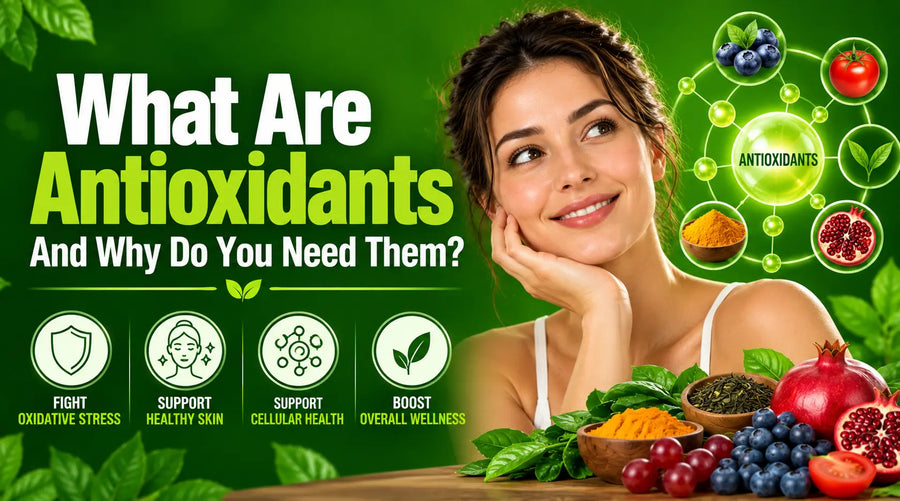
What Are Antioxidants And Why Do You Need Them?
What Are Free Radicals?, just the very act of living–breathing, eating, and building up and breaking down the tissues and structures th...

What Are Free Radicals? Effects on Skin & Health
Overview Free radicals are atoms or molecules with unpaired electrons. These molecules are considered oxidized. Because in most molecules...

How Sunlight and Ultraviolet Radiation Affect Us
The sun makes life on earth possible. Sunlight also has direct health benefits for humans, catalyzing our production of Vitamin D and eve...
Take the Free Guide Instead
Our 33 best tips for skin that ages well and a longer, healthier life. Free, straight to your inbox.

Great Skincare Goes Beyond The Surface.
Discover Sunsafe Rx—a daily antioxidant supplement designed to support skin health from the inside out. And so much more.
Subscribe and save 10% · Free shipping · Skip or cancel anytime · 60-day money-back guarantee
