


What Are Free Radicals? Effects on Skin & Health
Overview
Free radicals are atoms or molecules with unpaired electrons. These molecules are considered oxidized. Because in most molecules this state is very unstable, free radicals are highly reactive and therefore try to pair these unpaired electrons in whatever manner they can. This unstable state is often stabilized when the free radical grabs or shares an electron from or with another molecule (when the free radical is reduced).
Often a free radical is stabilized when it grabs a free electron from a nearby molecule that is stable, causing that molecule to now become a free radical and be unstable itself. This newly created free radical then needs to find a free electron to stabilize itself, and the cycle continues. In your body, this has many implications.
You might be interested in: Green Tea Benefits
Free Radicals In Your Body And Free Radical Damage
You do have many normal processes within your body that rely on free radicals. These controlled free radicals are integral pieces of many functions within your body, including metabolism, cellular signaling, and immunity.
However, free radicals also cause problems. Because they are highly reactive they are difficult to control, and free radicals reacting in uncontrolled ways cause damage to the things around them. A free radical may steal an electron from a cellular membrane or a protein or a strand of DNA; often this damage is repaired, but sometimes it is not. Over time, this damage results in accumulated changes throughout your body and the less-effective functioning of proteins, tissues, membranes, organs, etc. Skin gets wrinkles and sun spots, memory looses its sharpness, eyesight diminishes, organs function sub-optimally, energy decreases: in effect, your body ages.
Free radical damage also leads to mutations in your DNA: damage to your DNA that isn’t repaired. These mutations are passed on when they are replicated, and further mutations are accumulated, replicated, and propagated over time. Much of the time these mutations may be harmless or may simply lead to decreased functioning, but sometimes this DNA damage may eventually lead to malignant cancer: uncontrolled cellular growth which can occur in any type of cell in your body.
Also Read : What is Sunburn?
Where Do Free Radicals Come From?
Free radicals are created in many ways. Just breathing (respiration) and your metabolism (the building up and breaking down of molecules in your body, and your storage and use of energy) create free radicals throughout their normal functioning. Free radicals are also created by the interaction of your body with the environment–toxins, pollution, chemicals, radiation, and sunlight all can create free radicals and harm your body.
Featured Product
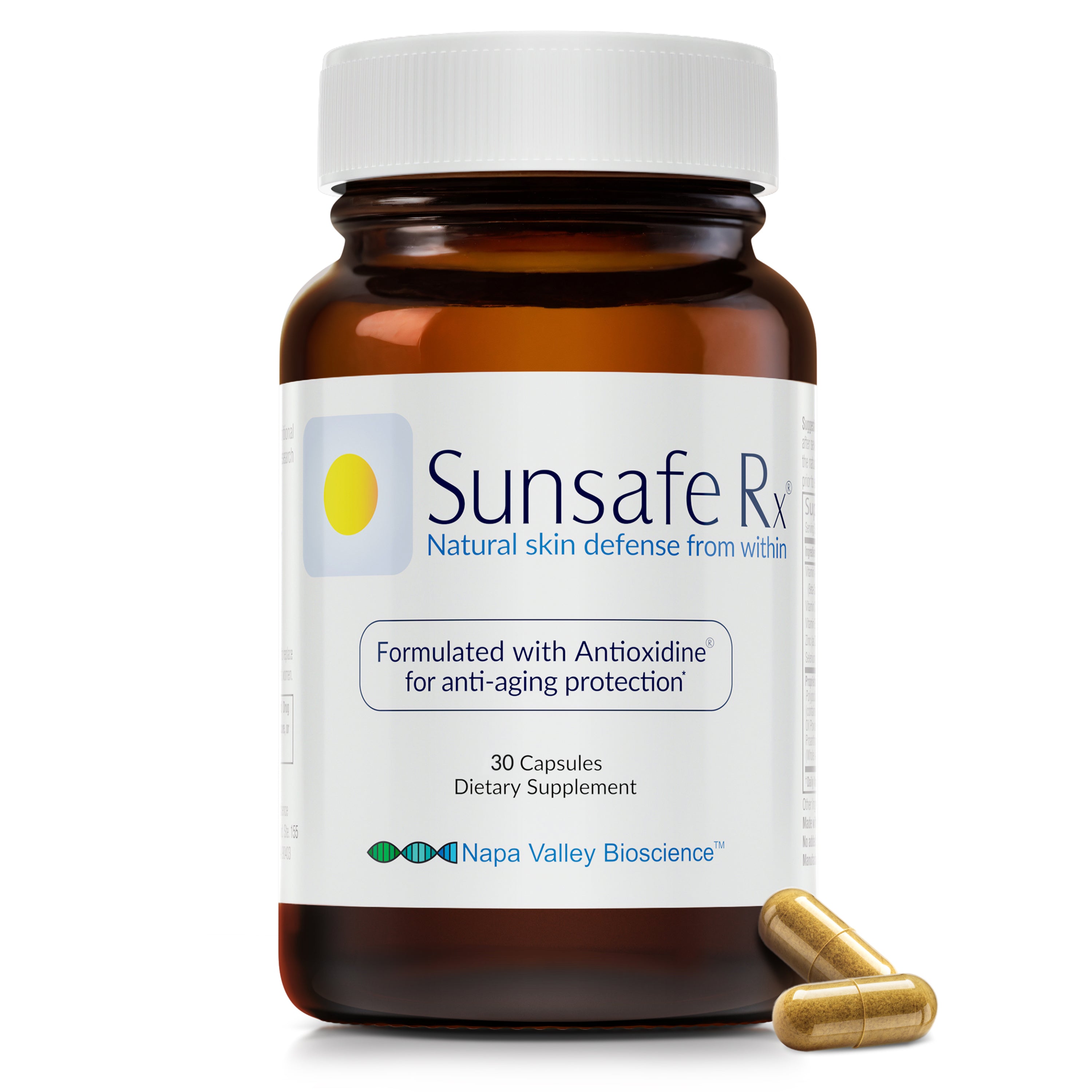
Sunsafe Rx: Natural Anti-Aging Protection
Sunsafe Rx is made with ingredients clinically proven to protect your skin and eyes. One capsule per day provides natural, anti-aging protection and improves the appearance of your skin. Empower your skin from within—while supporting the health of your whole body. This is next-generation skincare. This is Sunsafe Rx.
How Can You Stop Free Radical Damage?
The good news is your body has innate systems that normally help neutralize these free radicals. Much of this maintenance is done by enzymes which are able to minimize the damage done by free radicals. But additionally, some vitamins and antioxidants from the foods you eat are also able to neutralize free radicals and minimize free-radical damage. That’s why it’s important to eat a healthy diet full of nutritious foods with plenty of vitamins and antioxidants: to give your body every possible chance to prevent the oxidative damage it is fighting every day.
More Info About Antioxidants
The next article discusses antioxidants and the roll they play in preventing free radical damage. Read about antioxidants here:
What Are Antioxidants And Why Do You Need Them?
Frequently Asked Questions
Q1. What are free radicals and how are they formed?
Free radicals are unstable molecules that are naturally produced in the body during processes such as metabolism and energy production. They can also come from external sources like pollution, cigarette smoke, ultraviolet radiation, and certain chemicals. Because they have unpaired electrons, free radicals react quickly with other molecules and may damage cells if they accumulate excessively.
Q2. How do free radicals affect the body?
Free radicals can damage important cellular components such as DNA, proteins, and lipids through a process known as oxidative stress. Over time, excessive oxidative stress may contribute to aging and increase the risk of several chronic conditions, including heart disease, inflammation, and neurodegenerative disorders. However, free radicals also play useful roles in immune defense and cell signaling when maintained in balance.
Q3. What causes an increase in free radicals?
Free radical levels can rise due to both internal and environmental factors. Common causes include smoking, stress, unhealthy diet, excessive sun exposure, pollution, alcohol consumption, and exposure to radiation. Aging and chronic inflammation may also increase oxidative stress, making it more difficult for the body to maintain a healthy balance between free radicals and antioxidants.
Q4. How do antioxidants help fight free radicals?
Antioxidants help neutralize free radicals by donating electrons without becoming unstable themselves. This process reduces oxidative stress and protects cells from damage. The body naturally produces some antioxidants, while others are obtained through foods such as fruits, vegetables, tea, nuts, and whole grains. Maintaining adequate antioxidant intake supports the body’s natural defense system.
Q5. Can lifestyle changes reduce free radical damage?
Yes, healthy lifestyle habits can help reduce oxidative stress and free radical damage. Eating an antioxidant-rich diet, exercising regularly, avoiding smoking, limiting alcohol intake, and protecting the skin from excessive sun exposure can all support the body’s ability to maintain balance. Consistent healthy habits may lower the long-term effects associated with oxidative stress and aging.
Written by Sunsafe Rx Team |
- Published:
- By:
- Sunsafe Rx Team
- Category:
- Biology
- Tags:
- antioxidants, free radicals, popular
Sunsafe Rx
Natural. Healthy. Powerful. This isn’t just skincare. This is the ultimate anti-aging product.

Great Skincare Goes Beyond The Surface.
Discover Sunsafe Rx—a daily antioxidant supplement designed to support skin health from the inside out. And so much more.
Subscribe and save 10% · Free shipping · Skip or cancel anytime · 60-day money-back guarantee
