

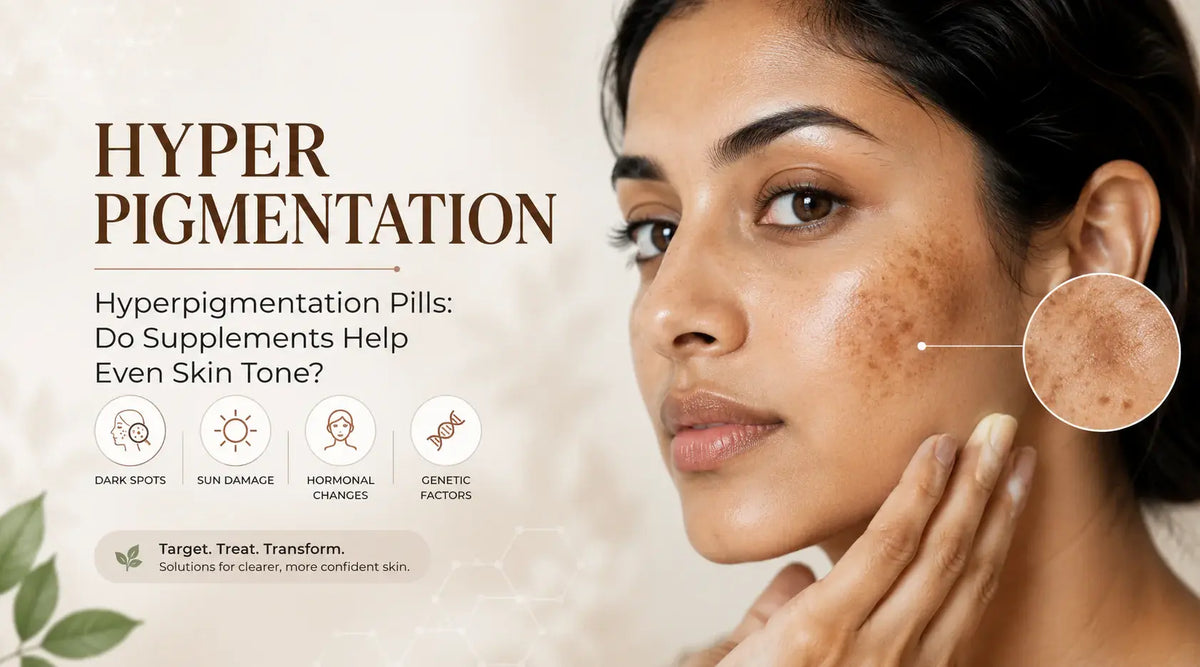
Hyperpigmentation Pills: Do Supplements Help Even Skin Tone?
Introduction
Dark spots, patchy skin, post-acne marks, sun spots, and uneven tone are some of the most common skin complaints — and also some of the most frustrating to treat. Topical lighteners and procedures help, but they target pigmentation at the surface. They do nothing about the underlying drivers: oxidative stress, UV-triggered melanin overproduction, and chronic low-grade inflammation in the skin.
This is why interest in “hyperpigmentation pills” — daily oral supplements designed to support a more even skin tone from the inside — has exploded. The question every reader actually wants answered is: do these supplements work?
The honest answer, based on published clinical research, is that specific antioxidant, vitamin, and mineral ingredients have measurable effects on the cellular pathways that drive pigmentation. They are not magic erasers. But used consistently — and as part of a broader strategy that includes hyperpigmentation treatment and prevention basics like SPF and gentle exfoliation — the right oral ingredients can meaningfully support a more even, brighter, healthier-looking complexion.
This guide breaks down what the science actually says.
What Is Hyperpigmentation, Really?
Hyperpigmentation is the umbrella term for any area of skin that is darker than the surrounding tissue. The discoloration comes from melanin — the pigment produced by melanocytes in the basal layer of the epidermis. When melanocytes are over-stimulated or damaged, they release excess melanin and the result is a dark spot, patch, or larger discolored region.
The most common types include:
-
Sun-induced (solar lentigines, “age spots”): Caused by cumulative UV exposure, often appearing on the face, chest, shoulders, and backs of the hands.
-
Post-inflammatory hyperpigmentation (PIH): Dark marks left after acne, eczema flares, cuts, or any inflammatory event.
-
Melasma: Hormonally driven brown or grey-brown patches, usually on the cheeks, forehead, and upper lip; aggravated by sun exposure and heat.
-
Drug- or condition-induced pigmentation: Triggered by certain medications, photosensitizers, or systemic conditions.
These categories sit on the opposite end of the pigmentation spectrum from depigmentation disorders like vitiligo, but they share a common theme: melanocyte behavior is dysregulated. Whether melanin production is increased or shut off, the goal is the same — restore healthy, balanced pigmentation.
Why Pills? The Case for an Inside-Out Approach
Topical treatments — hydroquinone, retinoids, vitamin C serums, kojic acid, azelaic acid, niacinamide — work mainly on the surface, where they inhibit tyrosinase (the key enzyme in melanin production) or speed pigmented cell turnover. They help, but they work against constant headwinds:
-
UV exposure keeps triggering new melanin and new oxidative damage every day.
-
Free radicals — generated by UV, pollution, stress, and even normal metabolism — keep inflaming melanocytes. (Free radicals are a major driver of both pigmentation and photoaging.)
-
Inflammation continues to drive PIH after every minor skin insult.
Topicals can’t fully neutralize damage that originates systemically. That’s where oral antioxidants come in. Delivered through the bloodstream, they accumulate in skin tissue and help calm the cellular triggers that produce excess pigment in the first place. They also help protect tissue at risk of becoming more pigmented after future events — a sunburn, a breakout, a stray scratch, or chronic sun tanning habits. And finally, because some of these antioxidants are themselves pigmented — particularly the carotenoids — they can visually help even skin tone by filling in areas with lower pigmentation to smooth the visual appearance of skin (see the dedicated section on this below).
What the Research Says About Oral Ingredients for Even Skin Tone
Below are the most studied oral ingredients for hyperpigmentation and overall skin tone, organized by compound class, with the published evidence behind each one.
Carotenoids: Carotenes and Xanthophylls
Carotenoids are a broad family of naturally occurring pigments found in plants, algae, and microorganisms. They give fruits and vegetables their vivid red, orange, and yellow colors — and when consumed or supplemented, they accumulate directly in skin tissue. Within the carotenoid family, two main subgroups are relevant for skin tone and pigmentation support: carotenes and xanthophylls.
Carotenes
Carotenes include lycopene and the provitamin A carotenes (alpha-carotene, beta-carotene, and other mixed carotenes). These orange-red pigments are among the most bioavailable antioxidants for skin tissue.
Lycopene, found in tomatoes and other red fruits, has been extensively studied for photoprotection. A British Journal of Dermatology trial found that dietary lycopene cut UV-induced redness by up to 40%. Because chronic redness and inflammation feed hyperpigmentation, calming this background activity is part of how carotenes support an even tone.
Beta-carotene and mixed carotenes serve as dietary precursors to vitamin A (retinol), which directly regulates keratinocyte differentiation and skin cell turnover. A review published in Dermato-Endocrinology summarizes vitamin A’s role in skin renewal and photoaging defense. Faster cell turnover means pigmented cells move off the surface more quickly, helping fade existing dark spots and evening overall tone over time.
Xanthophylls
Xanthophylls are the oxygen-containing members of the carotenoid family, and include astaxanthin, lutein and zeaxanthin. These compounds are among the most potent antioxidants known and accumulate preferentially in skin and eye tissue.
Astaxanthin, derived from microalgae, is particularly well-studied for skin health. Clinical research on astaxanthin for skin shows reductions in age spot size and improvement in skin moisture and elasticity. A randomized controlled trial published in Nutrients (2017) demonstrated measurable improvements in skin texture and tone with 6–12 mg daily astaxanthin.
Lutein and zeaxanthin, abundant in leafy greens and egg yolks, provide targeted photoprotective effects in both skin and eye tissue. They filter high-energy visible (HEV) and UV light before it can trigger melanocyte activation, reducing the ongoing stimulus for new pigmentation.
How Carotenoids Visually Even Skin Tone
Beyond their antioxidant and anti-inflammatory mechanisms, carotenoids offer a unique and often-overlooked benefit for skin appearance: their natural pigmentation works directly to smooth and even the look of the complexion.
Carotenoids are themselves deeply colored compounds — lycopene is vivid red-orange, beta-carotene is a warm orange, astaxanthin is a deep orange-red, and lutein and zeaxanthin carry a rich golden-yellow hue. When these compounds accumulate in skin tissue at physiological levels through consistent supplementation, they contribute a warm, golden undertone to the complexion that has measurable visual benefits for skin tone:
-
Filling in depigmented areas: In skin with uneven tone — where lighter or depigmented patches sit alongside normally pigmented or hyperpigmented areas — carotenoid accumulation adds warmth and color to the lighter regions, visually bridging the contrast between them and creating a smoother, more uniform appearance.
-
Smoothing overall complexion: The warm golden pigmentation that carotenoids provide harmonizes with a wide range of natural skin tones, lending a healthy glow and reducing the visual patchiness that makes uneven tone so frustrating.
-
A complementary, faster-acting mechanism: While the anti-inflammatory and antioxidant effects of carotenoids work over weeks and months to reduce actual excess melanin, the visual pigmentation effect begins contributing to a more even appearance as soon as these compounds accumulate in skin tissue — making it one of the more immediate benefits of an oral carotenoid protocol.
Featured Product
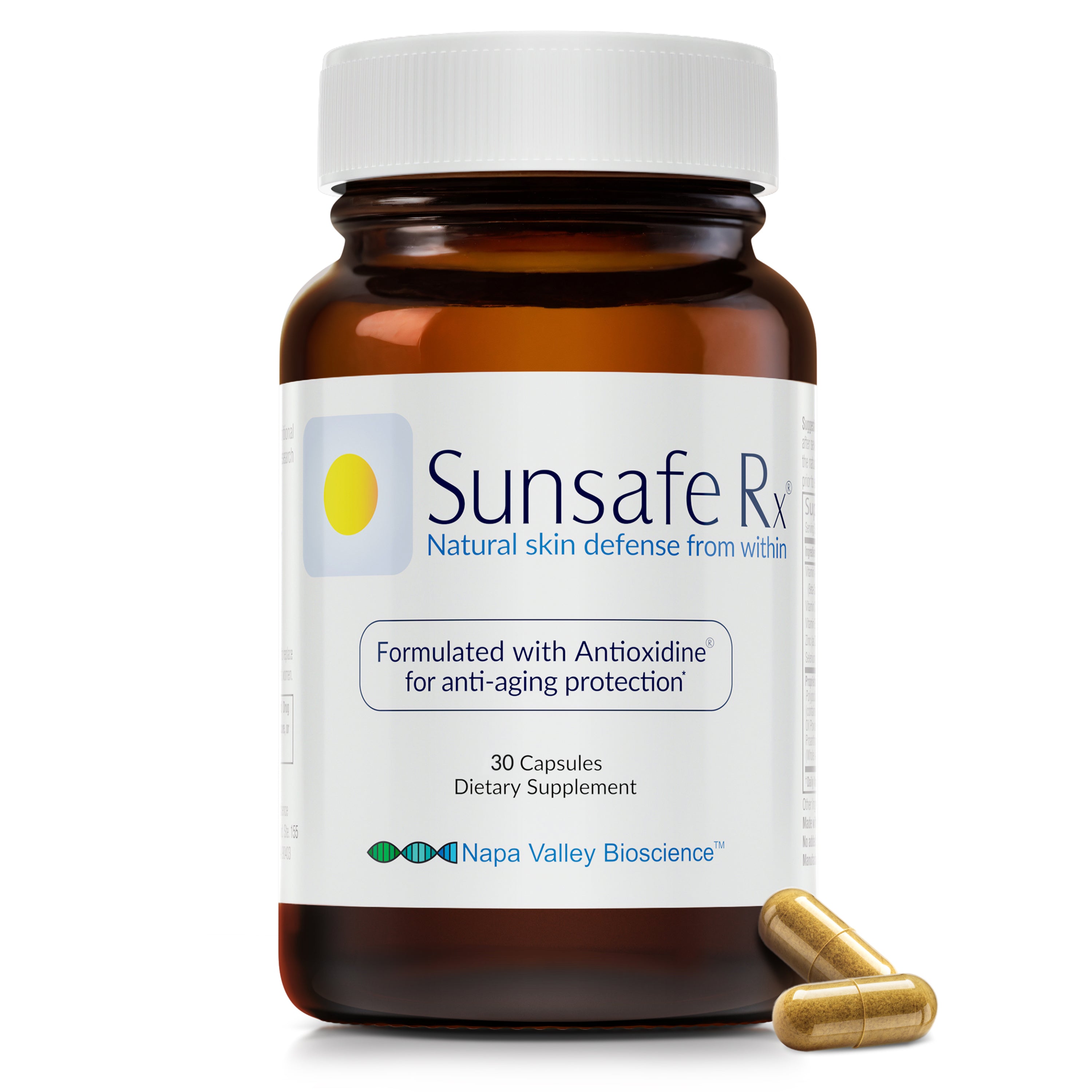
Sunsafe Rx: Natural Anti-Aging Protection
Sunsafe Rx is made with ingredients clinically proven to protect your skin and eyes. One capsule per day provides natural, anti-aging protection and improves the appearance of your skin. Empower your skin from within—while supporting the health of your whole body. This is next-generation skincare. This is Sunsafe Rx.
This dual action — actively improving the underlying pigmentation pathways while simultaneously evening the complexion through their own pigmented nature — is what makes carotenoids a uniquely valuable class of ingredients for anyone seeking more uniform skin tone from the inside out.
Polyphenols: Polypodium Leucotomos, Green Tea Extract, and Grape Seed Extract
Polyphenols are plant-derived compounds characterized by multiple phenol rings in their molecular structure. They are among the most potent antioxidants found in nature, and have well-established effects on inflammation, UV defense, and melanin-pathway regulation. Three polyphenols stand out in the clinical literature for skin tone support.
Polypodium Leucotomos Extract
A tropical fern extract with decades of dermatology research behind it. Multiple placebo-controlled trials show it reduces UV-induced erythema, oxidative DNA damage, and the pigmentary aggravation that drives both melasma and post-inflammatory marks. A widely cited randomized study published in JAAD reports significant photoprotective effects, and follow-up trials specifically in melasma patients (2018 trial) show improvement in MASI scores when used alongside SPF. More information on Polypodium leucotomos and its skin-protective properties is available on the Sunsafe Rx blog.
Green Tea Extract (EGCG)
Epigallocatechin gallate (EGCG) — the primary active polyphenol in green tea — is one of the most studied plant antioxidants for skin health. EGCG is a potent tyrosinase inhibitor, directly slowing the melanin synthesis pathway at the enzymatic level, and it simultaneously suppresses UV-induced inflammatory signaling that leads to post-inflammatory hyperpigmentation.
Clinical research demonstrates that EGCG can reduce UV-induced erythema and oxidative DNA damage while supporting a calmer inflammatory baseline in skin tissue. EGCG also works synergistically with other polyphenols and with vitamins C and E, amplifying overall antioxidant capacity across a broader range of free-radical species than any single compound alone. Its dual action — inhibiting melanin production directly while damping the inflammatory triggers that drive PIH — makes it a valuable component of any comprehensive oral skin-tone protocol.
Grape Seed Extract (Oligomeric Proanthocyanidins)
Rich in OPCs — among the most potent natural free-radical scavengers known. Clinical work has shown grape seed extract can improve melasma-type pigmentation when taken consistently. A frequently cited Japanese trial in Phytotherapy Research followed women with melasma over 6 months and reported reductions in the intensity and size of pigmented lesions.
Glutathione (briefly)
Often marketed as the “skin whitening pill,” oral glutathione has weak but suggestive evidence for slight skin lightening at moderate doses. Effects are inconsistent across studies and generally modest. For readers curious about the broader category, our overview of skin whitening and lightening covers the landscape and the cautions.
Three Nutrient Groups That Belong in Any Hyperpigmentation Conversation
A complete oral protocol for skin tone isn’t just about a star ingredient. Three nutrient groups in particular consistently appear in dermatology and nutrition literature for their roles in pigmentation, photoprotection, and overall skin health.
Omega-3 Fatty Acids
EPA and DHA — the long-chain omega-3s from fish oil and algae oil — have well-documented anti-inflammatory effects that matter directly for hyperpigmentation. A randomized trial published in Lipids in Health and Disease found that omega-3 supplementation improved skin barrier function and reduced markers of UV-induced inflammation. Because post-inflammatory hyperpigmentation is, by definition, a downstream result of inflammation, dampening that inflammatory response is one of the most useful things omega-3s do for uneven tone. They also support healthy lipid composition in the skin barrier, which improves the rate at which superficial pigment fades.
Vitamins A, C, and E
These three vitamins are the antioxidant backbone of oral skin nutrition.
Vitamin A (and its dietary precursors, the mixed carotenes) regulates keratinocyte differentiation and turnover, which means pigmented cells move off the surface faster. A review published in Dermato-Endocrinology summarizes vitamin A’s role in skin renewal and photoaging defense.
Vitamin C is a tyrosinase inhibitor — meaning it directly slows the melanin-production pathway — and it regenerates vitamin E in tissue, amplifying overall antioxidant capacity. A widely cited review in the American Journal of Clinical Nutrition details vitamin C’s photoprotective and pigmentation-modulating effects when taken at adequate dietary or supplemental levels.
Vitamin E (alpha-tocopherol) is the principal lipid-soluble antioxidant in skin and works synergistically with vitamin C to neutralize UV-generated reactive oxygen species. A study published in the Journal of Investigative Dermatology shows that combined vitamin C and E supplementation increases the threshold of UV-induced erythema, lowering the inflammatory trigger that drives PIH.
Taken together, A, C, and E form an antioxidant network — each one supports and recycles the others, and the combination is more effective than any single vitamin in isolation.
The Minerals Zinc and Selenium
Two trace minerals consistently underappreciated in pigmentation discussions.
Zinc is a cofactor for hundreds of enzymes, several of which regulate melanocyte activity, wound healing, and antioxidant defense. Zinc deficiency is associated with delayed healing — and slow healing of acne lesions is one of the most reliable predictors of PIH. A clinical review in Dermatology Research and Practice covers zinc’s role in skin healing, inflammation, and pigmentary disorders, including some evidence for benefit in actinic keratosis and related sun-damaged skin states.
Selenium is the central cofactor in glutathione peroxidase, one of the body’s most important antioxidant enzymes. Selenium status correlates with the skin’s ability to handle UV stress. A study published in the Journal of Investigative Dermatology showed that selenium supplementation protected skin cells from UV-induced cell death and DNA damage, both of which sit upstream of pigmentation problems.
A modest, food-derived dose of each — within the ranges typically used in well-formulated supplements — is enough to support these antioxidant pathways without the risks of high-dose mineral overload.
What Realistic Results Look Like
Oral supplementation for hyperpigmentation is a slow-and-steady strategy, not a fast fix. Realistic expectations:
-
First 2–4 weeks: Improvements of decreased skin redness, irritation, and post-breakout marks are often the earliest visible changes — driven by reduced inflammation rather than any direct lightening effect.
-
6–12 weeks: Established pigmentation (age spots, melasma patches, longstanding PIH) starts to fade gradually as cell turnover catches up and new pigment formation slows. Skin often looks brighter and more even overall.
-
Beyond 3 months: The biggest gain becomes prevention — fewer new dark spots from sun exposure, more resilient skin under stress, and better outcomes from topical treatments because the underlying inflammatory environment is calmer. Over the much longer term, continued antioxidant support can keep improving hyperpigmentation and overall skin appearance.
The “hyperpigmentation pill” narrative that pigmentation can be eliminated in a few weeks with a single capsule is marketing fiction. The clinical reality is meaningful but gradual.
Building a Real Internal-Protection Routine
A high-quality hyperpigmentation supplement protocol should:
-
Use ingredients with published clinical research, not trendy single ingredients with thin evidence.
-
Combine multiple complementary mechanisms — antioxidant, anti-inflammatory, tyrosinase-supporting, and DNA-protective — rather than relying on one compound.
-
Use food- and plant-derived sources at standardized, efficacious doses.
-
Come from a transparent, high-quality manufacturer (e.g., made in the USA, FDA-registered facility, third-party tested).
-
Be taken consistently every day, ideally for at least 3 months before judging results.
This is the rationale behind multi-ingredient formulas like Sunsafe Rx, which combines Polypodium leucotomos extract, astaxanthin, lycopene, green tea extract (EGCG), grape seed extract, lutein, zeaxanthin, omega-3 (DHA and EPA), and supportive vitamins (C, E, mixed carotenes) and minerals (zinc, selenium) into one daily capsule. Sunsafe Rx has a long track record of being recommended by dermatologists and has successfully helped many people support healthier, more even-toned skin — and it remains dermatologist-recommended as part of a complete photoprotection strategy.
What These Pills Are Not
Setting expectations honestly:
-
Not a sunscreen replacement. UV is the #1 driver of pigmentation. Daily broad-spectrum SPF is non-negotiable, and avoiding sun exposure is the most important factor in decreasing and even reversing hyperpigmentation.
-
Not a treatment for active dermatologic conditions. Severe melasma, persistent PIH, post-inflammatory erythema, or unusual pigmentation should always be evaluated by a dermatologist.
-
Not a fix for poor lifestyle inputs. Smoking, chronic sleep deprivation, high-glycemic diets, and unmanaged stress will all degrade results regardless of what supplements you take.
-
Not interchangeable across brands. Cheap formulas with sub-clinical doses or unverified sourcing rarely match the results seen in clinical research.
The Bottom Line
Hyperpigmentation pills are not magic. But they are not hype either. A carefully chosen oral protocol — anchored in clinically researched carotenoids like lycopene, astaxanthin, lutein, zeaxanthin, and mixed carotenes, polyphenols like Polypodium leucotomos, green tea extract (EGCG), and grape seed extract, and supported by omega-3 fatty acids, vitamins A, C, and E, and the minerals zinc and selenium — addresses pigmentation at the level where it actually starts: oxidative stress, UV damage, and inflammation inside the skin.
These carotenoid and polyphenol compounds also bring their own distinct visual benefit: the warm pigmentation that carotenoids deposit in skin tissue directly fills in depigmented areas and smooths the overall complexion, giving a more even tone even before the slower antioxidant mechanisms have fully worked.
Combined with daily SPF, gentle topical actives, and a sensible lifestyle, internal supplementation gives existing treatments a much better chance of working — and helps prevent the next round of dark spots from forming. For consistent results, think in months and even years, not days, and choose a formula with the breadth of ingredients and the manufacturing quality that the science supports.
About Sunsafe Rx
Sunsafe Rx is a daily oral supplement built around the proprietary Antioxidine® complex — a formula that brings together the most researched antioxidant ingredients in this category into a single comprehensive capsule.
The Antioxidine® complex includes polypodium leucotomos extract, EGCG from green tea, grape seed extract, lycopene, astaxanthin, lutein, zeaxanthin, and omega-3 fatty acids (DHA and EPA). Also included in the Sunsafe Rx research formula: Vitamin C, Vitamin E, zinc, selenium, and mixed carotenes — supportive antioxidants that complement the primary Antioxidine® ingredients.
Research shows the ingredients in Sunsafe Rx support the skin’s natural defenses against environmental damage, help neutralize free-radical activity in skin and eye tissue, and fight the appearance of photoaging from the inside out.
Sunsafe Rx is manufactured in the USA in an FDA-registered, NSF-certified facility, and has a long track record of being trusted by dermatologists and successfully helping many people support healthier, better-protected skin.
Note: We cannot officially describe Sunsafe Rx as a sunscreen or SPF, or make any disease claims. Sunsafe Rx should be considered a revolutionary internal skincare solution, and always used in combination with topical sunscreen lotion for external protection during sun exposure.
Disclaimer
Published clinical data supports the use of these ingredients for a wide range of skin concerns related to photodamage, oxidative stress, and inflammation. However, the FDA defines sunscreens as over-the-counter topical drugs with specific chemicals that reflect or absorb UV rays, and oral photoprotective products are not classified as sunscreen or SPF. Sunsafe Rx is a dietary supplement and is not intended to diagnose, treat, cure, or prevent any disease. Research cited in this article refers to the individual ingredients in these products, not the products themselves. Oral supplements for skin support should always be used in combination with topical sunscreen and a dermatologist-guided treatment plan when treating active pigmentation concerns. Consult a healthcare professional before starting any new supplement.
Frequently Asked Questions
Q: Can hyperpigmentation pills replace my topical lightening cream?
Oral and topical approaches address different layers of the problem. The best results come from using them together with consistent SPF.
Q: How long until I see results from oral antioxidants?
Most people notice an inflammation- and redness-related improvement first, within 2–4 weeks. Visible fading of established pigmentation usually takes 8–12 weeks of consistent daily use. The best results come from much longer-term use.
Q: Are hyperpigmentation supplements safe long-term?
Quality formulas built around food- and plant-derived antioxidants, used at standard doses, have strong safety profiles in published research. In fact, they can be incredibly healthy for your whole body, and have a number of health and anti-aging benefits. Talk to your healthcare provider if you are pregnant, breastfeeding, or on prescription medications.
Q: Can I get all of this from food?
Some — but not all. Modern diets often fall short on multiple antioxidants and trace minerals at the levels used in clinical trials. Large consumption of a broad array of foods and plants would be necessary to approach these levels through diet alone. A well-formulated supplement standardizes the dose and makes it more manageable to obtain what is maximally beneficial.
Q: Will these pills lighten my natural skin tone?
No. The goal is to even out tone and reduce excess pigmentation in affected areas — not to alter your underlying skin color.
Written by Sunsafe Rx Team |
- Published:
- By:
- Sunsafe Rx Team
- Category:
- Health Conditions
- Tags:
- hyperpigmentation, melasma, skin, sun spots
Sunsafe Rx
Natural. Healthy. Powerful. This isn’t just skincare. This is the ultimate anti-aging product.

Great Skincare Goes Beyond The Surface.
Discover Sunsafe Rx — a daily antioxidant supplement designed to support skin health from the inside out. And so much more.
Subscribe and save 10% · Free shipping · Skip or cancel anytime · 60-day money-back guarantee
