


Important: Sunsafe Rx and other oral supplements discussed in this article are not classified as sunscreens or as drugs under FDA regulations and are not intended to diagnose, treat, cure, or prevent melasma or any other disease. Research cited refers to the individual ingredients in these products, not the products themselves. Anyone with melasma should be evaluated and treated by a board-certified dermatologist.
Introduction
Melasma is one of the most stubborn dermatologic conditions there is. It looks deceptively simple — brown to grey-brown patches, usually on the cheeks, forehead, upper lip, and chin — but anyone who has tried to treat it knows how easy it is to make it worse, how fast it comes back after even brief sun exposure, and how frustrating it is to manage long-term.
The single most important fact about melasma is this: it is exquisitely sensitive to UV radiation, visible light, and heat. Any flare in inflammation, any uptick in melanocyte stimulation, and the patches deepen. Which means melasma management is, more than almost any other skin condition, a sun protection problem.
This article focuses on what actually helps. The basics of melasma treatment and prevention — daily SPF, gentle topicals, dermatologist-guided treatment — are the foundation. We'll then look at what the published research says about specific oral antioxidants, vitamins, and minerals that can support a calmer, more even complexion from the inside out.
What Makes Melasma Different
A few things set melasma apart from other forms of hyperpigmentation:
-
Hormonal drivers. Estrogen, progesterone, and thyroid hormones all influence melanocyte activity. This is why melasma often shows up during pregnancy ("the mask of pregnancy") and with hormonal contraceptives.
-
Heat sensitivity. Beyond UV, infrared (heat) and visible light also drive melasma. A hot kitchen, prolonged time near a fire, or even strenuous outdoor exercise can aggravate it.
-
Visible-light susceptibility. Standard chemical sunscreens block UV but do little against visible light. Tinted mineral sunscreens (with iron oxides) are specifically recommended for this reason.
-
Inflammation feedback loop. Any inflammation — from harsh actives, picking, waxing, even certain laser settings — can worsen melasma. This is why melasma protocols emphasize gentleness.
-
Slow, gradual response. Treatments work, but slowly. Months of consistent management are the norm.
These traits put melasma in the same broader family as other photosensitive skin states like polymorphous light eruption (PMLE), solar urticaria, and broader photosensitivity — conditions where the skin's response to UV is exaggerated and where sun protection is the foundation of management.
The Foundation: Strict, Smart Sun Protection
Nothing about melasma management works without the basics in place. The non-negotiables:
-
Tinted broad-spectrum SPF 30+, daily. A tinted mineral sunscreen with iron oxides provides both UV and visible-light protection — the latter is what's missing from many standard sunscreens and what matters most for melasma. Avoid excessive sun exposure.
-
Reapply every 2 hours during outdoor exposure. Yes, every two hours.
-
Hats and sunglasses when outdoors. A wide-brimmed hat is one of the highest-leverage purchases you can make for your skin.
-
Avoid peak UV hours (10 a.m. to 4 p.m.) when possible.
-
Mind the heat. Saunas, hot yoga, prolonged sun exposure even with sunscreen — these can flare melasma. Manage what you can.
-
Don't pick or aggressively exfoliate. Inflammation drives melasma.
-
Don't ignore visible light from screens, indoor sources, and windows. UVA light from the sun does penetrate windows — in your house, office, and car — so be aware that direct sun exposure through windows is probably damaging your skin.
If you only get the basics right and do nothing else, you will already be doing more for your melasma than most. Add oral antioxidants on top of this — not instead of it.
How Oral Antioxidants Help Melasma
Oral antioxidants don't bleach pigment. They support melasma management by working on the cellular triggers that drive the condition:
-
Reducing UV-induced oxidative stress in skin cells, including melanocytes
-
Calming UV-driven inflammation in the dermis
-
Protecting skin cell DNA from UV-related damage
-
Supporting a healthier skin barrier, which means less reactivity to environmental stress
-
Providing additional defense against visible light through carotenoid accumulation in skin tissue
The clinical literature on this is particularly developed for Polypodium leucotomos extract — covered below — but other antioxidants also show strong clinical research, and the broader case for multi-ingredient antioxidant supplementation for melasma treatment and prevention is strong.
Six Nutrient Groups with Published Research for Melasma and Photoprotection
Six categories of compounds consistently appear in the clinical and photodermatology literature for their relevance to melasma and photosensitive skin. The first three are pigmented, plant-derived antioxidants that accumulate directly in skin tissue. The final three provide the anti-inflammatory, structural, and enzymatic support those primary compounds depend on.
1. Carotenes
Carotenes — including lycopene and the provitamin A carotenes (beta-carotene, alpha-carotene, and mixed carotenes) — are vivid orange-red pigments that accumulate in skin tissue and deliver targeted photoprotective effects particularly relevant to melasma.
A British Journal of Dermatology trial found that dietary lycopene reduced UV-induced redness by up to 40%. Because UV-triggered redness and inflammation are primary drivers of melasma flares, calming this background activity directly supports melasma management.
Beta-carotene and mixed carotenes serve as precursors to vitamin A, which regulates keratinocyte differentiation and skin cell turnover — meaning pigmented cells move off the surface faster, supporting gradual fading of melasma patches. Beyond their antioxidant activity, carotenes also contribute a warm golden pigmentation as they accumulate in skin tissue, helping to visually smooth and even the complexion.
2. Xanthophylls
Xanthophylls — including astaxanthin, lutein, and zeaxanthin — are the oxygen-containing members of the carotenoid family. They are among the most potent antioxidants known and accumulate preferentially in skin and eye tissue.
Astaxanthin has been studied specifically for its ability to buffer UV-induced oxidative stress and reduce skin aging markers. A randomized controlled trial published in Nutrients (2017) demonstrated measurable improvements in skin condition with 6–12 mg daily. Lutein and zeaxanthin filter high-energy visible (HEV) and UV light before it can trigger melanocyte activation — providing visible-light defense that is uniquely relevant for melasma, where even non-UV light sources can provoke flares.
Like carotenes, xanthophylls contribute their own warm pigmentation to skin tissue as they accumulate, adding a layer of visual tone-evening alongside their protective biochemical effects.
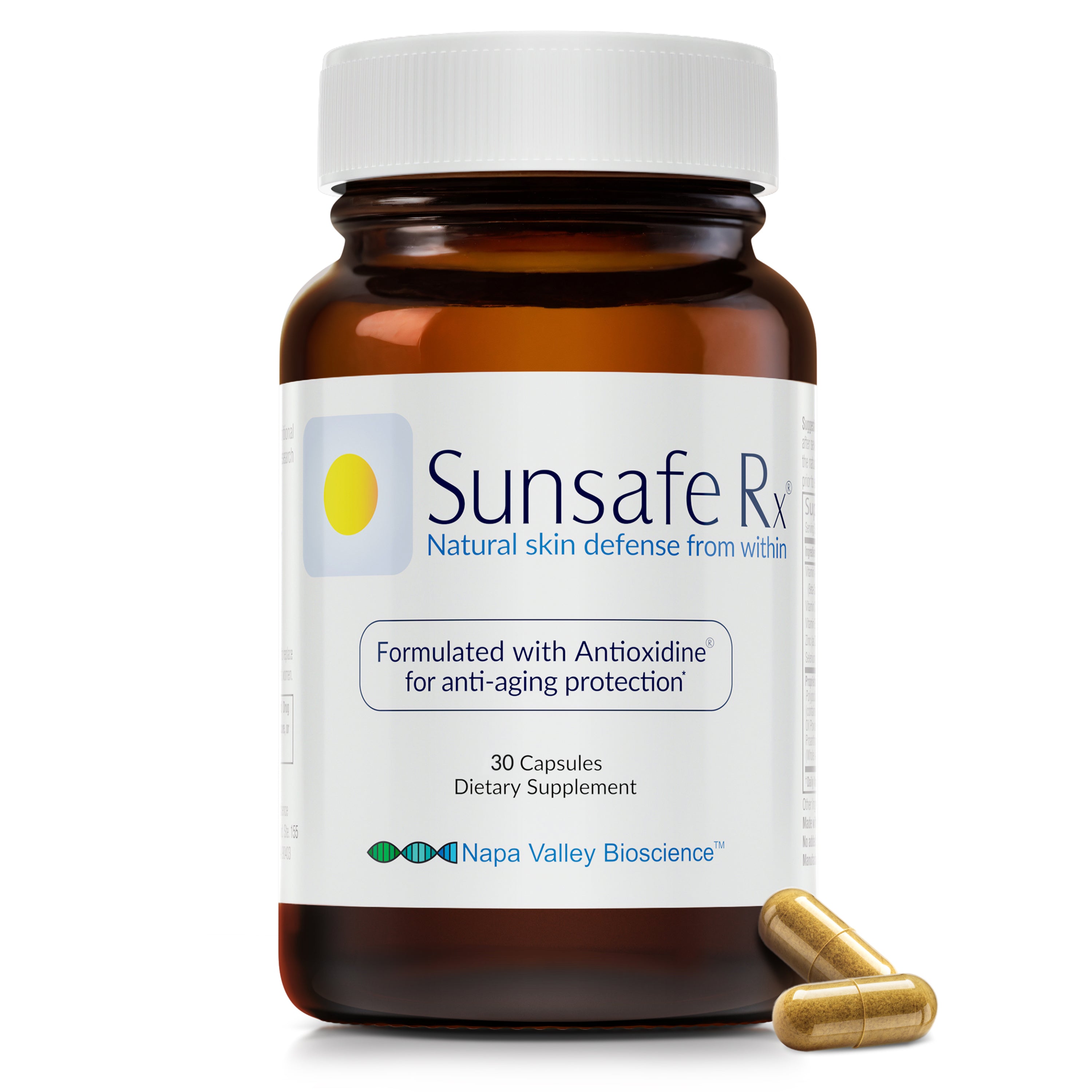
Featured Product
Sunsafe Rx: Natural Anti-Aging Protection
Sunsafe Rx is made with ingredients clinically proven to protect your skin and eyes. One capsule per day provides natural, anti-aging protection and improves the appearance of your skin. Empower your skin from within—while supporting the health of your whole body. This is next-generation skincare. This is Sunsafe Rx.
3. Polyphenols
Three polyphenols have published clinical evidence specifically relevant to melasma and its underlying biology: Polypodium leucotomos extract, green tea extract (EGCG), and grape seed extract.
Polypodium Leucotomos Extract
The single most studied oral ingredient for melasma. A randomized placebo-controlled trial in the Journal of the American Academy of Dermatology found that adding oral Polypodium leucotomos to topical sunscreen and depigmenting therapy significantly improved MASI (Melasma Area and Severity Index) scores in patients with melasma. Broader research also shows PL extract reduces UV-induced erythema and oxidative DNA damage. Additional supporting evidence in JAAD here.
Green Tea Extract (EGCG)
EGCG and related polyphenols reduce UV-induced DNA damage and inflammatory cytokines — both directly relevant to melasma's underlying biology. EGCG is also a tyrosinase inhibitor, directly slowing the melanin-production pathway. A published study in Nutrition and Cancer documents its ability to reduce UV-driven DNA damage and inflammatory signaling in skin tissue.
Grape Seed Extract (OPCs)
A Japanese 6-month trial in Phytotherapy Research found that grape seed proanthocyanidins reduced the intensity and size of melasma lesions in women. The mechanism — strong antioxidant and anti-inflammatory activity targeting the oxidative stress that drives melanocyte over-stimulation — is precisely what melasma-prone skin needs.
4. Omega-3 Fatty Acids
EPA and DHA from fish oil and algae oil are well-documented anti-inflammatory nutrients. For melasma — a condition driven in part by chronic low-grade inflammation in the dermis — this matters directly. A randomized clinical trial in Carcinogenesis showed that omega-3 supplementation reduces UV-induced immunosuppression in human skin, a meaningful upstream protective effect. A separate trial in Lipids in Health and Disease demonstrated improved skin barrier markers and reduced inflammation with omega-3 supplementation. Omega-3s also support barrier integrity, which matters because a healthy barrier reduces the reactivity that drives melasma flares.
Note: for many melasma patients, dietary omega-3 alone isn't enough — supplementation at therapeutic doses (commonly 1–3 g/day combined EPA + DHA) is what shows up in clinical research. Be mindful of common nutrition myths, like "more is always better," and don't dramatically megadose without medical guidance.
5. Vitamins A, C, and E
The antioxidant trio at the center of melasma-aware skin nutrition.
Vitamin A and the dietary precursor carotenes regulate skin cell differentiation and turnover, which helps surface pigment fade. A review in Dermato-Endocrinology covers vitamin A's role in skin renewal and photoprotection.
Vitamin C is a tyrosinase inhibitor — directly slowing the melanin-production pathway — and regenerates oxidized vitamin E to amplify total antioxidant capacity. A widely cited American Journal of Clinical Nutrition review details vitamin C's photoprotective and pigmentation-modulating roles.
Vitamin E (alpha-tocopherol) is the principal lipid-soluble antioxidant in skin membranes. Combined oral vitamin C and E raise the threshold for UV-induced erythema in human skin, which translates into less of the inflammatory background that drives melasma activity.
A, C, and E work as a regenerating network — together, more effective than any one in isolation.
6. Zinc and Selenium
Two trace minerals worth highlighting for melasma management.
Zinc is a cofactor for hundreds of enzymes involved in skin repair, immune balance, and antioxidant defense. Suboptimal zinc status is associated with poor healing and prolonged post-inflammatory pigmentation. A clinical review in Dermatology Research and Practice details zinc's role in pigmentary disorders and skin inflammation.
Selenium is the central cofactor for glutathione peroxidase, one of the body's principal antioxidant enzymes. A study in the Journal of Investigative Dermatology showed that selenium supplementation protected human skin cells from UV-induced apoptosis and DNA damage — both upstream of melasma's downstream presentation.
Both minerals are widely available in food and well-formulated supplements; they should be present at safe food-level doses, not megadoses.
Lifestyle and Skincare Habits That Actually Move the Needle
Beyond sunscreen and supplements, the practical habits that matter most for melasma:
-
Gentle cleansing. Avoid scrubs, harsh exfoliants, and astringents. Inflammation is the enemy.
-
No abrupt actives. Introduce retinoids, acids, and depigmenting agents slowly under dermatologist guidance.
-
Watch for hormonal triggers. Discuss with your provider if your melasma started during pregnancy or after starting hormonal contraception.
-
Manage heat exposure. Especially relevant in summer; the heat alone can flare melasma even without direct sun.
-
Treat other inflammatory skin conditions early. Don't let conditions like eczema, sun rash, or sun allergy reactions linger, since post-inflammatory marks compound with melasma.
-
Don't forget seasons. Melasma worsens in summer for most people, but winter is not a free pass — UV still reaches the skin, and dry, irritated winter skin can flare it. Good cold-weather skincare supports barrier health year-round.
-
Mind diet and metabolism. Inflammatory diets — high in refined sugar, alcohol, and ultra-processed foods — can worsen skin inflammation broadly. Awareness of how much sugar matters for skin health is part of any whole-person melasma plan.
-
Sleep and stress. Both modulate inflammation and hormones. The cliché is true. Get plenty of sleep and try to avoid or mitigate stress. Some strategies are mentioned in this anti-aging guide from Napa Valley Bioscience.
-
Stay metabolically active. Movement helps overall skin health; an honest understanding of the calories you burn daily and what supports active circulation is part of a broader skin wellness approach.
What Realistic Progress Looks Like
Melasma improves slowly. A realistic timeline:
-
Weeks 1–4: Reduced redness, less flaring, calmer skin. Most early improvements are about inflammation, not pigment.
-
Months 2–3: Patches begin to lighten gradually. Skin tone overall starts to look more even.
-
Months 3–6: The biggest visible gains. Continued maintenance is essential — melasma rebounds quickly when sun protection lapses.
-
Long term: Melasma is usually a manageable condition rather than a curable one. Years of careful sun protection and supportive treatment can keep it almost invisible — but lapses tend to bring it back.
What Doesn't Help (and Often Hurts)
-
Aggressive bleaching protocols without dermatologist supervision. Often inflame the skin and worsen melasma.
-
High-energy laser without melasma-specific settings. Can worsen the condition.
-
DIY peels. Same problem — inflammation rebound.
-
Excessive sun exposure. "Only a little" sun exposure may be enough to trigger a flare.
-
Skipping SPF for "just one day." That day adds up.
-
Hot showers and saunas on flared skin. Heat is a trigger.
The Bottom Line
Melasma is among the most sun-driven skin conditions there is, which means sun protection is not just one tool — it is the foundation of every effective melasma plan. Tinted broad-spectrum SPF, hats, behavioral awareness, and gentle skincare are non-negotiable.
Six categories of oral compounds add a second, internal layer that addresses the oxidative stress, inflammation, and UV damage that drive melasma at the cellular level: carotenes (lycopene, beta-carotene, mixed carotenes), xanthophylls (astaxanthin, lutein, zeaxanthin), polyphenols (Polypodium leucotomos, green tea extract/EGCG, grape seed extract), omega-3 fatty acids, vitamins A, C, and E, and the minerals zinc and selenium. A well-formulated multi-ingredient oral supplement — with a long track record of being recommended by dermatologists and successfully helping many people manage photosensitive skin — fits naturally into a melasma plan when used alongside topical sunscreen, dermatologist-guided treatment, and consistent lifestyle support.
Be patient. Be consistent. Be gentle with your skin. That is what actually helps.
About Sunsafe Rx
Sunsafe Rx is a daily oral supplement built around the proprietary Antioxidine® complex — a formula that brings together the most effective, clinically-researched antioxidant ingredients in this category into a single comprehensive capsule.
The Antioxidine® complex includes polypodium leucotomos extract, EGCG from green tea, grape seed extract, lycopene, astaxanthin, lutein, zeaxanthin, and omega-3 fatty acids (DHA and EPA). Also included in the Sunsafe Rx formula: Vitamin C, Vitamin E, zinc, selenium, and mixed carotenes — supportive antioxidants that complement the other primary Antioxidine® ingredients.
Research shows the ingredients in Sunsafe Rx support the skin's natural defenses against environmental damage, help neutralize free-radical activity in skin and eye tissue, and fight the appearance of photoaging from the inside out.
Sunsafe Rx is manufactured in the USA in an FDA-registered, NSF-certified facility, and has a long track record of dermatologist support while successfully helping a variety of different people defend their skin and eyes and improve their overall health.
Note: We cannot officially describe Sunsafe Rx as a sunscreen or SPF, or make any disease claims. Sunsafe Rx should be considered a revolutionary internal skincare solution, and always used in combination with topical sunscreen lotion for external protection during sun exposure.
Disclaimer
Published clinical data supports the use of these ingredients for a range of skin concerns related to photodamage, oxidative stress, and inflammation. However, the FDA defines sunscreens as over-the-counter drugs containing specific topical chemicals that reflect or absorb UV rays; oral photoprotective products should not be considered sunscreen or SPF. Oral antioxidant supplements are dietary supplements and are not intended to diagnose, treat, cure, or prevent any disease — including melasma. They should always be used in combination with topical sunscreen, other sun protection measures, and a dermatologist-guided treatment plan. Consult a healthcare professional before starting any new supplement, particularly if you are pregnant, breastfeeding, or taking prescription medications.
Frequently Asked Questions
Q: Can oral antioxidants cure melasma?
No oral product can not cure melasma — and the FDA doesn't allow disease claims for supplements. Oral antioxidants are best understood as a supportive layer that can have an impact in a long-term plan often led by a dermatologist.
Q: Is melasma related to sun allergy or photosensitivity?
Not directly, but melasma sits in the broader family of skin conditions where sun exposure is a major driver. Many of the same protective strategies — strict SPF, oral antioxidants, lifestyle modifications — apply across the photosensitive spectrum.
Q: Should I take oral antioxidants only in the summer?
No. Melasma protection is a year-round project. UV gets through clouds, windows, and winter days. Continuous daily supplementation builds antioxidant levels in skin tissue and is more effective than seasonal use.
Q: How long until I see results?
Most people notice reduced flaring and calmer skin within a few weeks. Visible lightening of melasma patches usually takes 2–4 months of consistent management, and full results emerge over 6–12 months or even longer.
Q: Can I take these supplements if I'm pregnant?
Many melasma cases first appear during pregnancy. However, you should not start any new supplement during pregnancy or breastfeeding without explicit guidance from your healthcare provider.
Written by Sunsafe Rx Team |
