


Sun allergies affect an estimated 10–20% of Americans, causing rashes, hives, and intense itching triggered by UV exposure — not a typical sunburn. This article explains how to identify the different types of sun allergy reactions, what evidence-based treatments are available, and how antioxidant ingredients like polypodium leucotomos extract and other natural compounds have been studied in clinical trials for photosensitive skin. You'll also find prevention strategies, guidance on when to see a dermatologist, and how a multi-ingredient dietary supplement fits into an overall sun protection plan.
An estimated 10 to 20 percent of Americans develop a rash, hives, or intense itching from sun exposure — not because of a sunburn, but because their immune system is reacting to sunlight itself. If you've ever come inside after an afternoon outdoors only to find your arms or chest covered in a red, bumpy rash that wasn't there before, you may be among them.
Sun allergy is a real, well-documented set of conditions. For some people it's a mild seasonal nuisance. For others, it limits the time they can comfortably spend outside. Either way, it's not something you have to simply accept.
In this article, you'll learn how to recognize sun allergy symptoms, what different sun allergy rashes look like, what the evidence-backed treatment options are, and how prevention strategies — including daily antioxidant supplementation — may support your skin's natural defenses from the inside out. We'll also explain exactly when a dermatologist visit is the right call.
What Is a Sun Allergy?
A sun allergy is an immune system reaction to sunlight that causes skin symptoms in areas exposed to ultraviolet (UV) radiation. Unlike a sunburn — which is a direct tissue injury from UV overexposure — a sun allergy involves your body treating sun-exposed skin cells as foreign or threatening, triggering an inflammatory response.
Sun allergies are more commonly seen in young to middle-aged adults, with women being affected more often than men. While people with fair or light skin types have higher risk, sun allergies can occur across all skin tones.
Sun Allergy Symptoms: What to Watch For
Sun allergy symptoms vary by type and individual, but there are recognizable patterns worth knowing.
Common skin reactions:
-
Red, itchy rash appearing within minutes to hours of sun exposure
-
Small raised bumps (papules) or fluid-filled blisters
-
Hives (welts) that may appear and fade rapidly
-
Scaling, crusting, or peeling in affected areas
-
Burning or stinging sensation that sometimes precedes a visible rash
In more severe reactions, systemic symptoms may include:
-
Headache and nausea
-
Fatigue or general malaise
-
Rarely, difficulty breathing (particularly in severe solar urticaria)
One of the clearest diagnostic clues is the location of the reaction. Sun allergy symptoms appear specifically on sun-exposed areas — the forearms, the V-neck area of the chest, the back of the hands, and the tops of the feet — while skin covered by clothing stays completely clear. This pattern of distribution is often the first thing a dermatologist looks for.
Sun Allergy Rash: Identifying What You're Seeing
Not all sun allergy rashes look alike. The appearance can point toward the specific type of reaction — and knowing the difference matters for choosing the right approach.
PMLE rash typically presents as clusters of small, reddish papules (bumps) or vesicles (blisters), often with intense itching. It generally appears one to four hours after sun exposure and resolves within several days if further exposure is avoided. It tends to recur at the beginning of each sunny season and may gradually improve as the skin adapts with repeated exposure — a process sometimes used therapeutically through controlled phototherapy.
Solar urticaria rash appears rapidly — often within minutes of UV exposure — as raised, itchy hives or welts. The hives typically subside once the person moves out of direct sunlight. In severe cases, widespread hives and systemic symptoms can develop.
Photoallergic reaction rash resembles eczema: red, weeping, or scaly patches that may be intensely itchy. Unlike PMLE, this rash can spread beyond sun-exposed areas and is triggered by a combination of UV exposure and a sensitizing substance such as a medication, sunscreen chemical, or fragrance.
Phototoxic reaction rash looks like an exaggerated sunburn — significant redness, pain, and sometimes blistering concentrated in areas of UV exposure. This is caused by certain medications or plants interacting with UV light and is not technically an immune reaction, though it's often grouped with sun allergy conditions. These reactions are related to erythema, the medical term for skin reddening caused by UV exposure.
The Main Types of Sun Allergy Explained
Understanding which type of sun allergy you're dealing with is key — it shapes both treatment and prevention strategies.
Polymorphous Light Eruption (PMLE)
PMLE is by far the most common form. It typically emerges in spring or early summer, when skin hasn't yet adapted to stronger UV intensity after months of reduced exposure. The reaction appears hours after sun exposure and resolves within days of sun avoidance. For a deeper look at this condition, see our complete guide to polymorphous light eruption treatment and prevention.
PMLE is classified as idiopathic — its precise mechanism isn't fully understood — but it involves an immune-mediated response to UV radiation. Importantly, clinical research published in the Journal of the American Academy of Dermatology (JAAD) has demonstrated that polypodium leucotomos (PL) extract — an antioxidant ingredient derived from a tropical fern — produced statistically significant reductions in PMLE severity and frequency in controlled trials.
Solar Urticaria
Less common but more immediate — hives develop within minutes of UV exposure and usually resolve within one to two hours. Severe cases can involve anaphylaxis, making formal medical evaluation essential. See our dedicated solar urticaria guide (linked above) for the full breakdown of antihistamine, phototherapy, and omalizumab treatment options.
Photoallergic Reactions
These require both a sensitizing chemical — certain antibiotics, NSAIDs, diuretics, or fragrance compounds — and UV exposure to trigger a reaction. A dermatologist can identify the specific trigger through photopatch testing.
Phototoxic Reactions
A direct chemical injury, not an immune reaction — the rash appears immediately in UV-exposed areas and is proportional to UV dose. Identifying and removing the offending substance typically resolves it. For the full breakdown of photoallergic vs. phototoxic triggers and classifications, see our complete guide to photosensitivity treatment and prevention.
Sun Allergy Treatment: Evidence-Based Options
Treatment depends on type and severity. Here is how the medical community currently approaches sun allergy management:
For Mild to Moderate Reactions
Topical corticosteroids — such as over-the-counter hydrocortisone cream — help reduce inflammation and itch for mild PMLE and photoallergic reactions. Prescription-strength versions are available for more severe flares.
Featured Product
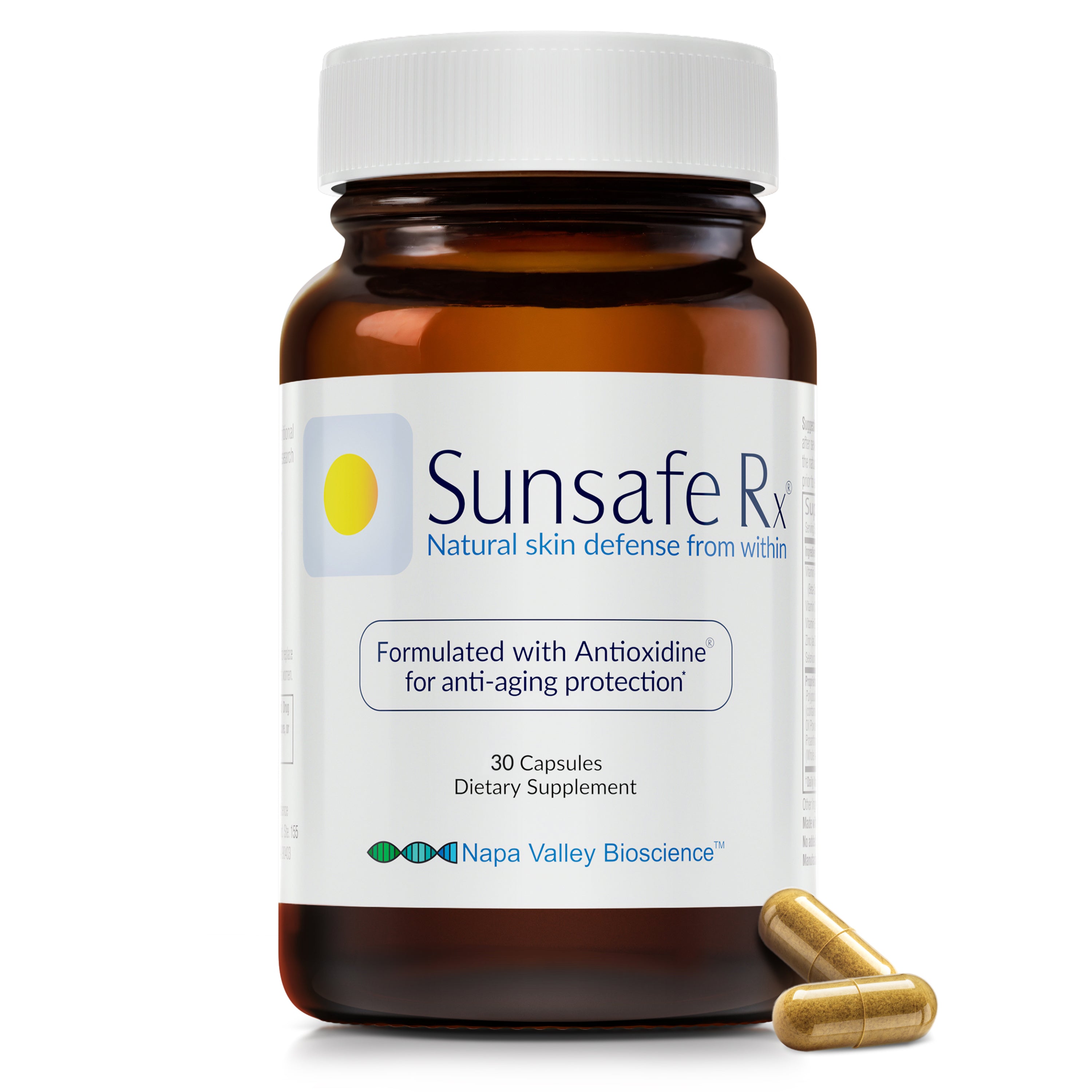
Sunsafe Rx: Natural Anti-Aging Protection
Sunsafe Rx is made with ingredients clinically proven to protect your skin and eyes. One capsule per day provides natural, anti-aging protection and improves the appearance of your skin. Empower your skin from within—while supporting the health of your whole body. This is next-generation skincare. This is Sunsafe Rx.
Oral antihistamines can reduce itching and help manage solar urticaria hives. Cetirizine, fexofenadine, and loratadine are commonly used.
Cool compresses and emollients soothe irritated skin while the reaction resolves.
For Severe or Recurrent Cases
When over-the-counter measures aren't enough, a dermatologist may recommend:
-
Prescription topical or systemic corticosteroids for acute flares
-
Hydroxychloroquine (an antimalarial) for recurrent PMLE that doesn't respond to other treatments
-
Narrowband UVB phototherapy — a structured, controlled exposure protocol that progressively desensitizes the immune system. This is particularly effective for PMLE and can reduce or eliminate seasonal flares for many patients
Eliminating the Trigger
For photoallergic and phototoxic reactions, identifying and removing the chemical trigger is the most important therapeutic step. This may involve reviewing all medications and topical products with your doctor and, in some cases, undergoing photopatch testing.
Sun Allergy Prevention: Building a Multi-Layer Strategy
No single strategy prevents all sun allergy reactions — the most effective approach layers multiple defenses. For practical tips you can start using today, see our guide to summer sun protection tips.
Broad-spectrum topical sunscreen (SPF 30 or higher) applied to all exposed skin is the most universally recommended first line of defense. Apply 15–20 minutes before going outdoors. Reapply every two hours and immediately after swimming or heavy sweating.
Protective clothing — UPF-rated garments, wide-brimmed hats, UV-blocking sunglasses — physically blocks UV exposure without any chemical component. This is especially valuable for those with photoallergic reactions triggered by sunscreen ingredients.
Sun timing — avoiding peak UV hours between 10 a.m. and 4 p.m. — reduces the intensity of UV exposure significantly. Gradual early-spring sun exposure can help the skin adapt before peak UV season, reducing PMLE reactivity for some people. There are also many myths about sun exposure worth understanding.
Identify and eliminate chemical triggers if you have a photoallergic or phototoxic reaction history. Review all topical products — including fragrances, sunscreens, and medications — with your dermatologist.
Internal antioxidant support is the fifth layer — and increasingly, one backed by serious clinical research. This is where dietary supplementation enters the picture. It's also worth understanding the drawbacks of relying on topical sunscreen lotion alone, which is why a layered approach including internal support is increasingly recommended.
Internal Antioxidant Support: What the Research Says
Over the past two decades, dermatology research has examined whether oral antioxidants can support the skin's resilience against UV-induced oxidative stress from the inside out — and the findings are substantial for several specific ingredients. This is the scientific basis behind the concept of oral sunscreen — using dietary ingredients to complement topical protection.
We cannot describe Sunsafe Rx as a sunscreen or SPF, or make any disease claims. Sunsafe Rx should be used as an internal skincare solution and always used in combination with topical sunscreen lotion for external protection during sun exposure.
Polypodium Leucotomos (PL) Extract
PL extract is derived from a tropical fern and is an extensively studied oral antioxidant in this category. Multiple peer-reviewed trials published in the Journal of the American Academy of Dermatology (JAAD) — including a 2005 controlled study on UV erythema and DNA strand breaks — found that the ingredients in PL extract supplements produced statistically significant reductions in PMLE severity, UV-induced erythema, and DNA strand breaks in sun-exposed skin. Research shows these ingredients reduced inflammatory markers associated with UV-induced skin damage at the cellular level.
Lycopene
A carotenoid found naturally in tomatoes and red fruits, lycopene has been studied in peer-reviewed research including work published in the Journal of Nutrition. Research shows the ingredients in lycopene supplementation were associated with up to a 40% reduction in UV-induced erythema in clinical trials — one of the most compelling findings in oral antioxidant skin health research.
EGCG (Green Tea Extract)
Epigallocatechin-3-gallate, the primary active polyphenol in green tea, has been studied across multiple peer-reviewed journals. Research on EGCG and UV-induced DNA damage and its anti-inflammatory effects in skin tissue both confirm measurable protective activity. Research shows the ingredients in EGCG supplements reduce UV-induced DNA damage and exert significant anti-inflammatory effects in skin tissue.
Astaxanthin
Derived from marine microalgae and the natural pigment responsible for the pink color of wild salmon, astaxanthin has been studied in peer-reviewed journals including a 2017 clinical study and research published in Acta Biochimica Polonica (2012). Research shows the ingredients in astaxanthin supplementation improve skin moisture and elasticity and reduce markers of UV-related oxidative stress.
Lutein and Zeaxanthin
Both of these xanthophyll carotenoids accumulate in skin tissue as well as in the macula of the eye. A study published in the American Journal of Clinical Nutrition (AJCN) found that the ingredients measurably increased skin carotenoid levels and reduced UV-related reddening in clinical subjects. They are particularly notable for their dual role — supporting both skin and eye health simultaneously.
Grape Seed Extract (OPC)
Grape seed extract is one of the most potent known sources of oligomeric proanthocyanidins (OPCs) — powerful free-radical scavengers with exceptional antioxidant capacity. Research published in the Journal of Cosmetic Dermatology found that grape seed polyphenols protected human skin fibroblasts against UVA-induced oxidative damage, while a study in the Journal of Photochemistry and Photobiology demonstrated that grape seed proanthocyanidins acted as photochemopreventive agents against UVB-induced skin damage. Additional peer-reviewed research published in Molecular Nutrition & Food Research confirmed that grape seed proanthocyanidins inhibit oxidative stress and support immune system function in UV-exposed skin. Research shows the ingredients in grape seed extract supplements enhance collagen synthesis, support DNA repair, and scavenge free radicals generated by UV radiation.
Omega-3 Fatty Acids (DHA and EPA)
Omega-3 polyunsaturated fatty acids — particularly eicosapentaenoic acid (EPA) and docosahexaenoic acid (DHA) — have been studied extensively for their anti-inflammatory and photoprotective properties. A landmark study published in the Journal of Investigative Dermatology found that dietary fish oil supplementation significantly increased the sunburn threshold (minimal erythema dose) and reduced sensitivity to provocation of polymorphous light eruption in clinical subjects. A follow-up study published in Photochemistry and Photobiology confirmed that EPA significantly reduced UV-induced proinflammatory cytokines — including TNF-α, IL-6, and IL-8 — in human skin in vivo. A comprehensive review in Experimental Dermatology classified omega-3 PUFAs as "photoprotective macronutrients" based on their ability to attenuate UV-driven inflammation through prostaglandin E2 suppression. Research shows the ingredients in omega-3 supplements support the skin's anti-inflammatory response to UV exposure and may help reduce the severity of photosensitive reactions.
Vitamins A, C, and E
These three vitamins each contribute distinct antioxidant mechanisms relevant to UV-exposed skin. A clinical study published in the Journal of the American Academy of Dermatology found that the combination of vitamin C (L-ascorbic acid) and vitamin E (alpha-tocopherol) provided a four-fold antioxidant protection factor against UV-induced erythema and sunburn cell formation, with the combination proving superior to either vitamin alone. A further study published in the Journal of the American Academy of Dermatology confirmed that a formulation of vitamins C and E stabilized by ferulic acid significantly reduced thymine dimer mutations associated with UV-induced DNA damage. For vitamin A, a double-blind, placebo-controlled trial published in Photodermatology, Photoimmunology & Photomedicine demonstrated that oral mixed carotenoids — including beta-carotene, which the body converts to vitamin A — protected human skin against UVA-induced pigmentation and UVB-induced erythema. Research shows the ingredients in vitamin A, C, and E supplementation work synergistically to neutralize free radicals, support DNA repair, and reduce visible signs of photoaging.
The Minerals Zinc and Selenium
Zinc and selenium are essential trace minerals that serve as critical cofactors in the body's antioxidant enzyme systems. A study published in Photochemistry and Photobiology found that both zinc and selenium protected human skin fibroblasts from UVA-induced cytotoxicity, with zinc reducing lipid peroxidation markers by over 30% in UV-irradiated cells. Research published in Clinical and Experimental Dermatology confirmed that selenium supports the skin's photoprotective capacity by enhancing the activity of glutathione peroxidase and thioredoxin reductase — two selenium-dependent antioxidant enzymes that neutralize peroxides generated by UV exposure. A clinical trial reported in the British Journal of Nutrition confirmed that dietary zinc and selenium are bioavailable to skin tissue and contribute measurably to cutaneous antioxidant defense. Research shows the ingredients in zinc and selenium supplementation strengthen the skin's internal antioxidant systems, helping to neutralize UV-generated free radicals and support cellular recovery after sun exposure.
Sunsafe Rx: A Multi-Ingredient Internal Skincare Supplement
Sunsafe Rx is a daily oral supplement built around the proprietary Antioxidine® complex — a formula that brings together the most-researched antioxidant ingredients in this category into one comprehensive capsule.
The Antioxidine® complex includes:
-
Polypodium leucotomos extract — one of the most clinically studied oral antioxidant for photosensitivity
-
EGCG from green tea extract — DNA protection and anti-inflammatory support
-
Grape seed extract (OPC) — one of the most potent known free-radical scavengers
-
Lycopene — with up to 40% UV erythema reduction in clinical trials
-
Astaxanthin — anti-aging antioxidant with UV oxidative stress reduction
-
Lutein and zeaxanthin — skin resilience and eye health support
-
Omega-3 fatty acids (DHA and EPA) — anti-inflammatory support
Also included in the Sunsafe Rx formula: Vitamin C, Vitamin E, zinc, selenium, and mixed carotenes (alpha- and beta-carotene) — supportive antioxidants that complement the primary Antioxidine® ingredients.
Research shows the ingredients in Sunsafe Rx support the skin's natural defenses against environmental damage, fight the appearance of photoaging, and help neutralize free-radical activity in both skin and eye tissue. Learn more about the full range of benefits of Sunsafe Rx.
The comparison that matters: Heliocare — one of the most recognized supplements in this category — is built around a single primary active ingredient: polypodium leucotomos extract (Fernblock). Sunsafe Rx delivers 13+ clinically researched ingredients, each with independent supporting research. Where Heliocare provides one mechanism of antioxidant support, Sunsafe Rx provides simultaneous free-radical scavenging, anti-inflammatory activity, cellular protection, and eye health support through a multi-ingredient formula. For a detailed comparison, see our article on Fernblock vs. Antioxidine.
Heliocare is cheaper — manufactured in Spain, available at a lower price point — and has strong research behind its one ingredient. Sunsafe Rx is the premium choice: it includes that same one ingredient, but also many others — all backed by research. It's a superior product with a more comprehensive formulation, manufactured in the USA in an FDA-registered, NSF-certified facility, and trusted by dermatologists since 2010.
Please note: Sunsafe Rx is not considered a sunscreen by the FDA. We cannot describe Sunsafe Rx as a sunscreen or SPF, or make any disease claims. Sunsafe Rx should be used as an internal skincare solution and always used in combination with topical sunscreen lotion for external protection during sun exposure.
When to See a Doctor
Sun allergy symptoms can overlap with several other conditions — including lupus, drug reactions, contact dermatitis, and other autoimmune disorders — that require accurate diagnosis and specific treatment. Self-management has its limits. Conditions like melasma, actinic keratosis, vitiligo, and hyperpigmentation can also be triggered or worsened by sun exposure and require professional evaluation.
See a dermatologist or your primary care physician if:
-
Your rash is severe, widespread, or blistering
-
Symptoms persist beyond a week after sun avoidance
-
You experience systemic symptoms: fever, nausea, difficulty breathing, or widespread hives
-
The rash appears on areas that were not exposed to the sun
-
You suspect a medication or topical product may be involved
-
Over-the-counter treatments have not improved symptoms after two weeks
-
Your condition is significantly affecting your quality of life or limiting outdoor activity
A dermatologist can perform phototesting (controlled UV exposure to identify your sensitivity threshold), photopatch testing (to identify chemical triggers), and may refer you to a phototherapy unit for PMLE desensitization. Getting an accurate diagnosis is the foundation for an effective management plan.
Conclusion: A Complete Defense Strategy for Photosensitive Skin
Sun allergy — whether it presents as PMLE, solar urticaria, or a photoallergic rash — is manageable for most people when approached with a clear, layered strategy.
That strategy starts with topical SPF and protective clothing. It includes smart sun timing and, where relevant, identifying and removing chemical triggers. And increasingly, it includes internal antioxidant support — because the research on ingredients like polypodium leucotomos, lycopene, astaxanthin, EGCG, lutein, and other specific natural ingredients consistently shows that these compounds support the skin's natural defenses from the inside out in ways that topical products cannot reach. Understanding how much the sun ages your skin is another powerful motivator for taking a comprehensive approach.
Sunsafe Rx, with its 13+ ingredient Antioxidine® formula, represents the most comprehensive internal skincare option in this category. It's not a replacement for your sunscreen. It's the layer that works from within — supporting cellular resilience, fighting free-radical damage, and delivering whole-body antioxidant benefits that protect skin and eyes alike.
If you're dealing with sun allergy symptoms that are affecting your enjoyment of daily life, start with a visit to your dermatologist — and then consider what your skin health routine looks like from the inside out.
Sunsafe Rx is manufactured in the USA in an FDA-registered, NSF-certified facility. It has been on the market since 2010. We cannot describe Sunsafe Rx as a sunscreen or SPF, or make any disease claims. Always use topical sunscreen during sun exposure. This article is for informational purposes only and does not constitute medical advice.
Frequently Asked Questions
Q1: Which SPF is best for sun allergy?
Ans: Use sun protection creams with a very high protection factor (SPF 50+) and broad spectrum anti-UVB and anti-UVA protection. Ensure your sunscreen protects against long UVA. Make sure your sunscreen is created for sensitive, reactive and allergy-prone skin to avoid reactions. Re-apply your sunscreen every 2 hours.s.
Q2: What lotion is good for sun allergies?
Ans: To prevent sun allergies like Polymorphous Light Eruption (PMLE), you need a specialized, fragrance-free, broad-spectrum sunscreen. If a reaction has already occurred, you should use a soothing calamine-based or cooling moisturizer to stop the itching.
Q3: What are the most common sun allergy symptoms?
Ans: The most common sun allergy symptoms include a red, itchy rash on sun-exposed skin, small raised bumps or blisters, hives that appear and fade quickly, burning or stinging before a rash forms, and in more severe cases, headache, nausea, or fatigue.
Q4: How is a sun allergy treated?
Ans: Sun allergy treatment depends on the type and severity. Mild cases are often managed with topical corticosteroids, oral antihistamines, and cool compresses. Severe or recurring cases may require prescription corticosteroids, hydroxychloroquine, or narrowband UVB phototherapy to gradually desensitize the immune system.
Q5: Does sunscreen help sun allergy?
Ans: Yes, sunscreen helps manage and prevent sun allergies (such as Polymorphous Light Eruption) by blocking UV rays. However, traditional chemical sunscreens can occasionally cause allergic reactions themselves, so dermatologists often recommend using physical, mineral-based sunscreens like those containing zinc oxide or titanium dioxide
Q6: Is Sunsafe Rx a sun allergy supplement?
Ans: Sunsafe Rx is not a sunscreen and does not treat or cure sun allergy. It is the ultimate internal skincare solution — a dietary supplement whose ingredients have been studied for their role in supporting the skin's natural defenses against environmental damage and oxidative stress. Research shows the ingredients in Sunsafe Rx support skin resilience from the inside out and complement your existing topical sun protection routine. It's a powerful product for a broad variety of reasons related to skincare and overall health.
Q7: What is the difference between a sun allergy and a sunburn?
Ans: A sunburn is a direct tissue injury caused by overexposure to UV radiation — it can happen to anyone. A sun allergy is an immune-mediated reaction where the body responds to sunlight as if it were a threat, producing a rash, hives, or other symptoms that go beyond what a typical sunburn looks like.Sun allergy symptoms often appear on specific exposed areas while covered skin remains unaffected.
Q8: How can I prevent a sun allergy reaction?
Ans: Prevention involves layering multiple strategies: applying broad-spectrum SPF 30+ sunscreen, wearing UPF-rated protective clothing, avoiding peak UV hours (10 a.m.–4 p.m.), gradually increasing sun exposure in spring to help skin adapt, and supporting your skin's natural defenses from the inside out with a comprehensive antioxidant supplement.
Q9: When should I see my healthcare provider?
Ans: See a doctor if your rash is severe, widespread, or blistering; if it doesn't improve within a week of avoiding the sun; if you develop fever, nausea, or difficulty breathing; or if reactions are limiting your time outdoors. A dermatologist can run phototesting or photopatch testing to confirm the cause and recommend the right treatment.
Written by Sunsafe Rx Team |
