

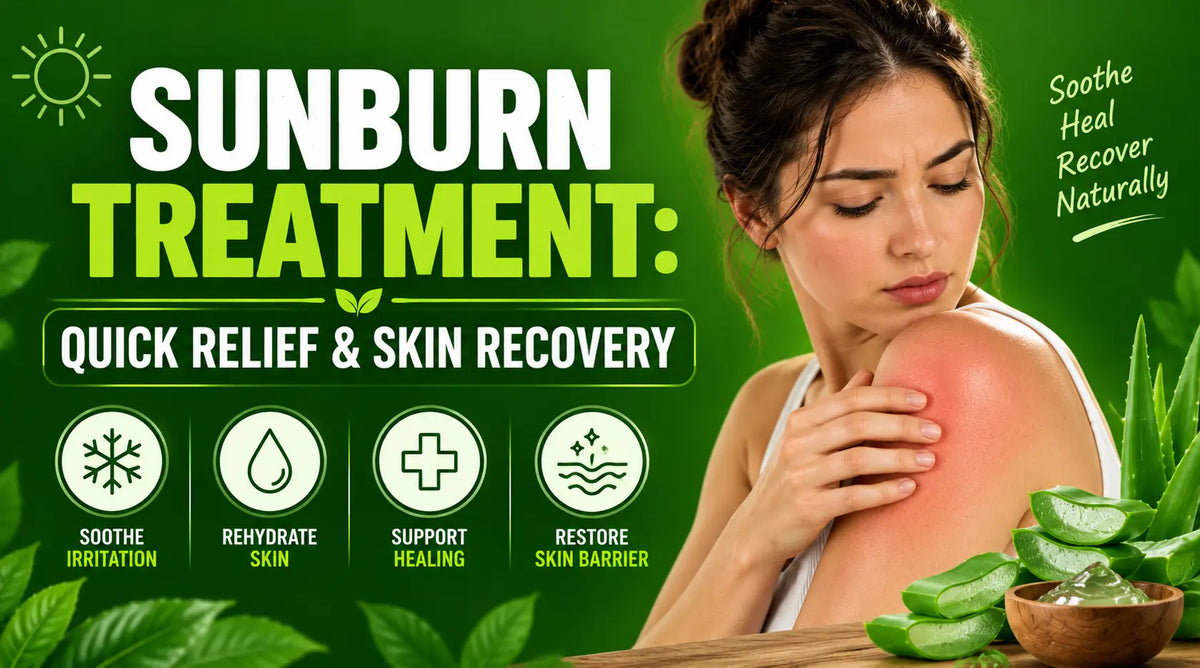
Sunburn Treatment: Quick Relief & Skin Recovery
Sunburn is more than skin-deep discomfort — UV radiation causes measurable cellular damage including DNA strand breaks, collagen degradation, skin aging, and oxidative stress that persist long after the redness fades. This article walks through what a sunburn actually is, how to treat it effectively in the first 24 hours and beyond, and what remedies to avoid. Additionally, you will learn how ingredients like polypodium leucotomos extract — and other antioxidants from foods and plants — have been shown in clinical studies to help protect UV-exposed skin from the inside out. You'll also find guidance on when sunburn requires medical attention.
One in three American adults gets a sunburn every single year. Most people reach for aloe vera and move on — but what happens to your skin after sun overexposure goes far deeper than the surface redness you can see.
A sunburn is your skin's distress signal. It means UV radiation has caused measurable cellular damage — damaged DNA, broken-down collagen, and a flood of inflammatory signals that your body now has to repair. And this damage is mostly irreversible; it ages your skin and causes irreversible changes. The choices you make in the hours and days that follow can either speed up that recovery or slow it down.
In this article, you'll find a clear, evidence-based guide to sunburn treatment and relief — what works, what to skip, and how supporting your skin from the inside out with antioxidant nutrition may play a meaningful role in your recovery strategy.
What Is a Sunburn?
A sunburn is an acute inflammatory skin reaction caused by overexposure to ultraviolet (UV) radiation — primarily UVB rays. When UV radiation penetrates the skin, it damages the DNA of skin cells and triggers the release of inflammatory mediators, causing the characteristic redness, heat, pain, and swelling associated with sunburn.
The visible redness typically appears two to six hours after UV exposure and peaks around 12 to 24 hours. Mild sunburns usually resolve within three to five days. More severe burns — particularly those involving blistering — can take one to two weeks to fully heal.
photoaging — the breakdown of collagen and elastin that leads to wrinkles, uneven skin tone, sun spots, and the loss of skin elasticity over time. This is why sunburn treatment isn't just about short-term relief. It's about helping your skin recover as completely as possible.
Sunburn Symptoms: Recognizing the Severity
Not all sunburns are equal. Recognizing where yours falls on the spectrum helps you choose the right treatment approach.
Mild sunburn (superficial): Pink or red skin on exposed areas. Mild warmth and tenderness to the touch. No blistering. Skin may feel tight or dry. Typically resolves within 3–5 days with peeling.
Moderate sunburn: Deeper red, hot, and painful skin. Significant swelling in affected areas. Small blisters may begin to form. Increased sensitivity to pressure or touch. May take 7–10 days to resolve.
Severe sunburn (sun poisoning): Widespread blistering. Intense pain, significant swelling. Systemic symptoms: fever, chills, nausea, headache, dizziness. Dehydration signs: rapid heartbeat, confusion, weakness. Requires medical attention.
If you or someone else is showing signs of severe sunburn or sun poisoning, seek medical care promptly. Severe sunburns can lead to dehydration, infection, and systemic complications that go well beyond skin-level treatment.
How to Treat Sunburn: Immediate Relief Steps
The first 24 hours after a sunburn are the most important window for limiting damage and setting the stage for recovery. Here is what the evidence supports.
Get Out of the Sun Immediately: This sounds obvious, but continued exposure after a sunburn is already developing — even before redness is visible — compounds the damage significantly. UV damage accumulates, and there is no safe threshold once the inflammatory cascade has started.
Cool the Skin: Cool (not cold or ice-cold) water helps reduce heat and inflammation in the skin. A cool shower, cool bath, or cool compresses applied to the affected area for 10–15 minutes can provide immediate relief. Avoid ice or ice water directly on sunburned skin — extreme cold can cause additional tissue damage.
Hydrate Aggressively: Sunburn draws fluid to the skin's surface and away from the rest of the body. Drink more water than usual throughout the sunburn recovery period — at least 8–10 glasses per day. Signs of dehydration (dry mouth, dizziness, dark urine) after a sunburn should be taken seriously.
Apply a Gentle Moisturizer or Aloe Vera :Once skin has been cooled, apply a fragrance-free moisturizer or pure aloe vera gel to lock in moisture and soothe inflammation. Look for products containing aloe vera, glycerin, or hyaluronic acid. Aloe vera has well-documented anti-inflammatory properties and is one of the most widely recommended topical aids for sunburn relief. Avoid anything with alcohol, fragrance, benzocaine, or lidocaine — these can cause additional skin irritation and even allergic reactions in damaged skin.
Take an Over-the-Counter Anti-Inflammatory : Ibuprofen (Advil, Motrin) or aspirin taken within the first 24 hours can reduce inflammation, pain, and swelling. These NSAIDs work systemically to dampen the inflammatory response — which is why they tend to work better than topical pain relief for sunburn. Follow dosage instructions and avoid if you have contraindications.
Sunburn Care by Body Area
How to treat sunburn changes slightly depending on where it is — general first aid applies everywhere, but a few areas genuinely need different handling:
-
Face: Skip heavy or fragranced moisturizers, which can clog pores and irritate already-inflamed skin. A thin layer of a gentle, fragrance-free gel or lotion is usually enough. Avoid retinoids or active exfoliating ingredients until the skin has fully recovered.
-
Lips: Sunburned lips are easy to overlook but heal slowly since they flex constantly with talking and eating. A plain, fragrance-free lip balm applied often helps more than any active ingredient.
-
Scalp: Hard to cool with a compress and easy to forget entirely. A cool rinse in the shower and a lightweight, non-greasy leave-in product can help; brushing should be gentle until tenderness subsides.
-
Shoulders and back: Some of the hardest areas to reach and to keep from rubbing against clothing or bedding. Loose, breathable fabric makes a real difference here, and asking someone else to help apply moisturizer avoids awkward overreaching that can re-irritate the skin.
-
Hands and feet: Thicker skin here means blisters can be more stubborn and are exposed to more friction from daily activity — worth extra attention to keeping any broken blisters clean and protected.
Sunburn Treatment at Home: What Works in the Days Following
After the initial 24-hour window, the focus shifts to supporting the skin's recovery process.
Keep Skin Moisturized Consistently: Apply a gentle, fragrance-free moisturizer two to three times daily during recovery. Sunburned skin loses moisture rapidly through the damaged barrier. Consistent moisturization reduces peeling, supports the skin's barrier function, and improves comfort significantly.
Do Not Pop Blisters: Blisters that form after a moderate or severe sunburn are the skin's natural protective barrier over damaged tissue. Popping them breaks that barrier, dramatically increasing the risk of infection, prolonging healing time, and increasing the chance of scarring. If a blister breaks on its own, clean the area gently with mild soap and water, apply an antibiotic ointment, and cover loosely with a sterile non-stick bandage.
Avoid Further Sun Exposure During Recovery: Healing sunburned skin is significantly more vulnerable to UV damage than healthy skin. Avoid direct sun exposure on the affected area until the skin has fully healed. If you must go outside, cover the area with clothing or apply broad-spectrum SPF 30+ sunscreen. For more guidance, the American Academy of Dermatology (AAD) provides comprehensive sunburn care recommendations.
Let the Peeling Happen Naturally: Peeling after a sunburn is the body shedding damaged skin cells. Do not peel or pick at the skin — this increases irritation, can introduce infection, and may cause uneven pigmentation. Continue moisturizing, and the peeling process will complete on its own.
What to Avoid When Treating Sunburn
Several commonly used remedies either provide no benefit or actively worsen the situation.
Butter or cooking oils — a persistent folk remedy. Oils trap heat in the skin, preventing it from dissipating, and can worsen inflammation. They also increase the risk of infection.
Toothpaste — another widely shared but harmful tip. Toothpaste contains menthol and other compounds that provide a brief cooling sensation but irritate already-damaged skin.
Products with alcohol — alcohol-based sprays, toners, or astringents dehydrate and further irritate sunburned skin.
Tight clothing — friction on sunburned skin increases pain and can cause blistering. Wear loose, soft, breathable fabrics over affected areas.
Hot showers or baths — heat expands blood vessels and worsens inflammation. Stick to cool or lukewarm water throughout recovery.
Bad advice about how to treat sunburn fast spreads just as easily as good advice. Two more myths worth knowing:
A base tan protects you from burning." A tan is itself visible evidence of UV damage, and offers only minimal, unreliable protection against further burning — it's not a legitimate prevention strategy.
If it doesn't hurt yet, it's not that bad." As noted above, sunburn pain and redness often peak 12 to 24 hours after exposure, well after the damage is done — feeling fine in the first hour doesn't mean a burn isn't developing.
Supporting Skin Recovery from the Inside Out
Most sunburn advice focuses exclusively on what you put on your skin. But there is a growing body of clinical research showing that what you put in your body matters significantly for how well and how quickly your skin recovers from UV-induced damage. It's also important to understand the drawbacks of relying on topical sunscreen alone, and why an internal layer of antioxidant support is a meaningful complement.
When UV radiation hits the skin, one of the primary mechanisms of damage is the generation of free radicals — unstable molecules that attack skin cells, degrade collagen, and trigger inflammatory pathways. Antioxidants, whether delivered topically or internally, work by neutralizing these free radicals before they can cause further damage. This may include the vitamins, minerals, and antioxidants in fruits and vegetables and/or supplements.
What the Research Shows on Key Ingredients
Polypodium leucotomos (PL) extract, derived from a tropical fern, is the most extensively studied oral antioxidant in this space. Multiple peer-reviewed trials published in the Journal of the American Academy of Dermatology (JAAD) — including a 2005 controlled study on UV erythema and DNA protection — found that the ingredients in PL extract supplements produced statistically significant reductions in UV-induced erythema and DNA strand breaks in sun-exposed skin.
Lycopene, found in tomatoes and red fruits, has been studied in peer-reviewed research including work published in the Journal of Nutrition, associated with up to a 40% reduction in UV-induced erythema in clinical trials.
Astaxanthin, derived from marine microalgae, has been studied in peer-reviewed journals including a 2017 clinical study and research in Acta Biochimica Polonica (2012), reducing markers of UV-related oxidative stress and improving skin moisture and elasticity.
EGCG (in green tea extract) has been studied for its role in reducing UV-induced DNA damage and its anti-inflammatory effects in skin tissue.
Grape seed extract (with proanthocyanidins) is one of the most potent free-radical scavengers known, supporting collagen protection and oxidative stress reduction.
Lutein and Zeaxanthin, studied in the American Journal of Clinical Nutrition (AJCN), measurably increased skin carotenoid levels and reduced UV-related reddening, with added benefits for eye health.
Featured Product
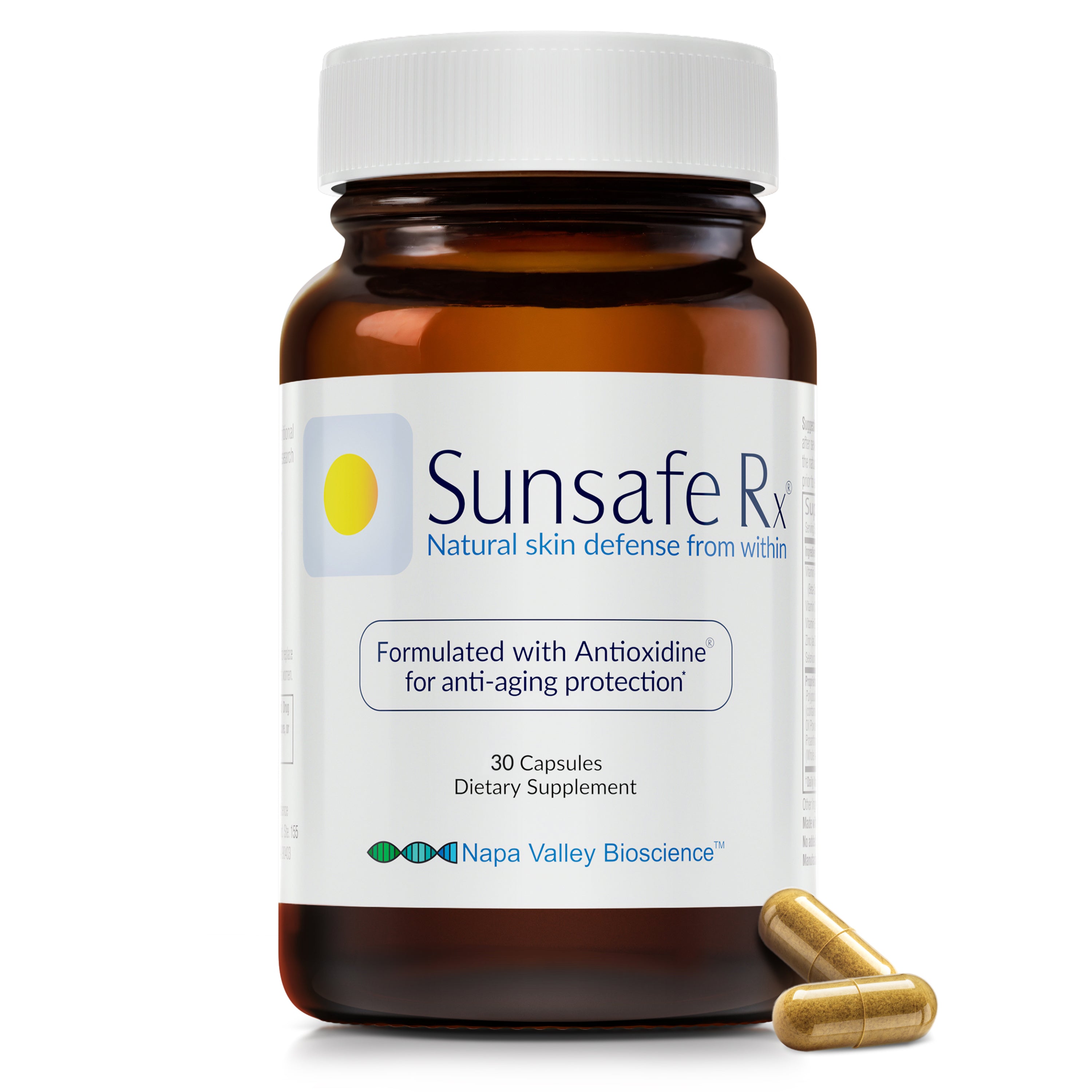
Sunsafe Rx: Natural Anti-Aging Protection
Sunsafe Rx is made with ingredients clinically proven to protect your skin and eyes. One capsule per day provides natural, anti-aging protection and improves the appearance of your skin. Empower your skin from within—while supporting the health of your whole body. This is next-generation skincare. This is Sunsafe Rx.
About Sunsafe Rx
Sunsafe Rx is a daily oral supplement built around the proprietary Antioxidine® complex — a formula that brings together the most researched antioxidant ingredients in this category into a single comprehensive capsule.
The Antioxidine® complex includes polypodium leucotomos extract, EGCG from green tea, grape seed extract, lycopene, astaxanthin, lutein, zeaxanthin, and omega-3 fatty acids (DHA and EPA). Also included in the Sunsafe Rx research formula: Vitamin C, Vitamin E, zinc, selenium, and mixed carotenes.
Sunsafe Rx is manufactured in the USA in an FDA-registered, NSF-certified facility, and trusted by dermatologists since 2010. See the Benefits page for the full scope of how the formula supports skin and eye health.
Full ingredient research is available on the Antioxidine formula research page.
Note: We cannot officially describe Sunsafe Rx as a sunscreen or SPF, or make any disease claims. Sunsafe Rx should be considered a revolutionary internal skincare solution, and always used in combination with topical sunscreen lotion for external protection during sun exposure.
How to Prevent Your Next Sunburn
Once you know how to treat a sunburn you already have, it's worth a quick look at prevention, since skin that's already been burned is more vulnerable to burning again before it's fully recovered:
-
Apply broad-spectrum sunscreen with SPF 30 or higher at least 15–20 minutes before heading outside, and reapply every two hours — more often if swimming or sweating.
-
Seek shade during peak UV hours, generally 10am to 4pm.
-
Wear protective clothing, a wide-brimmed hat, and sunglasses for extended outdoor time.
-
Pay attention to reflective surfaces — water, sand, and snow all intensify UV exposure well beyond what direct sun alone would cause.
For a deeper look at what actually causes sunburn and how it progresses, see our guide to sunburn causes and prevention.
When to See a Doctor
Most mild to moderate sunburns can be managed at home. But certain situations require prompt medical attention. See a doctor if you experience: blistering covering a large area of the body; signs of infection in a blister (increasing pain, swelling, pus, or red streaking); fever above 103°F (39.4°C); severe headache, confusion, or disorientation; rapid heartbeat, nausea, or vomiting; signs of dehydration that don't improve with fluid intake; eye pain or vision changes after sun exposure; or sunburn in a young child or infant. Sunburn in infants under 12 months should be treated as a medical emergency.
You might be interested in: Actinic Keratosis Treatment
Conclusion: Treat the Surface, Support the Depths
Effective sunburn treatment works on two levels. On the surface: cool the skin, hydrate, moisturize consistently, protect the healing skin from further exposure, and give it time. Below the surface: support the skin's natural repair mechanisms by giving your body the antioxidants it needs to neutralize free-radical damage and rebuild.
Sunsafe Rx, with its 13+ ingredient Antioxidine® formula, is built to deliver that internal layer of support every day — not just after a sunburn, but as a consistent foundation for daily antioxidant protection and skin health from the inside out.
Frequently Asked Questions
Q1: What is the fastest way to get sunburn relief?
Ans: The fastest sunburn relief comes from immediately cooling the skin with cool (not cold) water, applying pure aloe vera gel or a fragrance-free moisturizer, and taking an oral anti-inflammatory like ibuprofen within the first 24 hours. Staying well-hydrated accelerates the process. Avoid anything with alcohol, fragrance, or numbing agents like benzocaine, which can further irritate damaged skin.
Q2: How long does sunburn take to heal?
Ans: Mild sunburns typically resolve within 3–5 days, with peeling occurring toward the end of the healing process. Moderate sunburns with some blistering may take 7–10 days. Severe sunburns with widespread blistering can take one to two weeks or longer.
Q3: Should I pop sunburn blisters?
Ans: No. Sunburn blisters are a natural protective barrier over damaged skin tissue. Popping them significantly increases the risk of infection, prolongs healing time, and may cause scarring. If a blister breaks on its own, clean the area gently, apply antibiotic ointment, and cover with a sterile non-stick bandage.
Q4: Does aloe vera actually help sunburn?
Ans: Yes. Aloe vera has well-documented anti-inflammatory and skin-soothing properties and is one of the most widely recommended topical aids for sunburn relief.
Q5: Can an antioxidant supplement help with sunburn recovery?
Ans: Research shows the ingredients in antioxidant supplements — including polypodium leucotomos extract, lycopene, astaxanthin, grape seed extract, lutein, zeaxanthin, omega-3, and EGCG — support the skin's natural defenses against UV-induced oxidative stress at the cellular level. Sunsafe Rx contains these as part of its 13+ ingredient Antioxidine® formula, always used alongside topical sunscreen.
Q6: What should you not put on a sunburn?
Ans: Avoid butter, cooking oils, products containing alcohol, toothpaste, and products with benzocaine or lidocaine. Also avoid tight clothing, hot showers, and further sun exposure on the burned area during recovery.
Q7: How is sunburn treatment different from sun allergy treatment?
Ans: A sunburn is a direct tissue injury from UV overexposure. A sun allergy is an immune-mediated reaction triggering a rash or hives beyond typical sunburn. Sun allergy treatment may additionally involve antihistamines or topical corticosteroids.
Q8: Is Sunsafe Rx helpful for people who get sunburned easily?
Ans: Published research shows the antioxidants in Sunsafe Rx support skin health and the skin's natural defenses against environmental damage. Sunsafe Rx is not classified as a sunscreen and should always be used alongside topical sunscreen lotion.
- Published:
- By:
- Sunsafe Rx Team
- Category:
- Health Conditions, Skincare
- Tags:
- skin, sun damage, sun protection, sunburn
Sunsafe Rx
Natural. Healthy. Powerful. This isn’t just skincare. This is the ultimate anti-aging product.

Great Skincare Goes Beyond The Surface.
Discover Sunsafe Rx—a daily antioxidant supplement designed to support skin health from the inside out. And so much more.
Subscribe and save 10% · Free shipping · Skip or cancel anytime · 60-day money-back guarantee
