


Sun Tanning Effects: Skin Damage & Protection Tips
A tan is not a sign of healthy skin — it's your body's damage response to UV radiation. When UV rays penetrate your skin, they damage cellular DNA, and melanin production (the tan) is your body's attempt to prevent further harm. This article explains the biology behind tanning, debunks the "healthy tan" myth (UV radiation is classified as a Group 1 carcinogen by the WHO), and details the real consequences: DNA mutations, collagen breakdown, premature aging (responsible for 80–90% of visible facial aging), hyperpigmentation, and increased skin cancer risk. We cover safer alternatives like self-tanners and bronzing makeup, a layered sun protection strategy (SPF 30+, UPF clothing, smart timing), and how clinically researched oral antioxidants — including polypodium leucotomos, astaxanthin, lycopene, and EGCG — can support your skin's defenses from the inside out where topical products can't reach.
Here is something most people have never been told directly: a tan is not a sign of healthy skin. It is a sign of damaged skin.
The bronze color that millions of people actively pursue every summer is the visible result of your body responding to a cellular stress response. Ultraviolet (UV) radiation has penetrated your skin, damaged the DNA of your skin cells, and your body is producing melanin — the pigment that creates the tan — as a last-resort attempt to absorb further radiation and limit the damage from getting worse.
In fact, it is DNA damage itself that triggers tanning (the production of melanin). The tan itself is the damage response. It’s the evidence of damage.
This distinction changes everything about how to think about sun tanning — what it does to your skin over years, why even a gradual tan carries real consequences, and what a genuinely protective approach to outdoor time actually looks like. This article covers all of it, including what the latest research says about supporting your skin’s natural defenses from the inside out.
What Is Sun Tanning? The Biology Behind the Bronze
Sun tanning is the darkening of the skin in response to exposure to ultraviolet (UV) radiation. The process is driven by melanocytes — specialized cells in the epidermis responsible for producing melanin, the pigment that gives skin, hair, and eyes their color.
When UV radiation reaches the skin, it damages the DNA of skin cells. Melanocytes detect this cellular stress signal and respond by ramping up melanin production. The melanin produced is then transferred to surrounding skin cells, where it clusters around the cell nucleus — specifically to shield the DNA from further UV damage. The result, visible at the skin surface, is the darkening we call a tan.
There are two distinct UV-driven tanning responses:
Immediate pigment darkening occurs within minutes of UV exposure. It is caused primarily by UVA rays oxidizing melanin that is already present in the skin. The color appears quickly but fades rapidly — often within hours.
Delayed tanning develops over 48–72 hours following UV exposure. This is the tan most people are familiar with — the one that builds over days of sun exposure. It results from the actual synthesis of new melanin by melanocytes and represents the skin’s longer-term adaptive response to UV damage.
Both responses are the skin doing damage control. Neither is a sign of skin health.
The Myth of the “Healthy Tan”
The idea that a tan signals health is one of the most pervasive myths about sun exposure — particularly in Western societies where sun-bronzed skin became associated with outdoor activity, leisure, and vitality through much of the 20th century. It remains a powerful cultural association today.
The biology tells a completely different story.
The World Health Organization (WHO) classifies ultraviolet radiation — from both the sun and artificial sources like tanning beds — as a Group 1 carcinogen. That is the highest classification available, meaning the evidence that UV radiation causes cancer in humans is conclusive.
A 2012 systematic review and meta-analysis published in the BMJ found that tanning bed use was associated with a 67% increased risk of squamous cell carcinoma and a 29% increased risk of basal cell carcinoma. First tanning bed use before age 35 increased melanoma risk by 59%.
There is no such thing as a “safe tan” from UV radiation — including a gradual, moderate outdoor tan. Every tan represents UV-induced cellular damage and a measurable increase in cumulative skin cancer risk. The degree of risk increases with cumulative lifetime UV exposure — which means the tanning habits built in youth compound significantly over decades.
What Sun Tanning Actually Does to Your Skin
Understanding the full scope of UV-induced skin damage requires looking at what happens at each layer of the skin.
DNA Damage
UVB rays — the primary tanning and burning wavelength — are directly absorbed by DNA molecules within skin cells. This absorption causes specific mutations: pyrimidine dimers, where adjacent DNA bases bond incorrectly. These mutations interfere with normal cell replication. When the body’s DNA repair mechanisms cannot fully correct these mutations, they can accumulate — increasing the risk of malignant transformation over time.
The tan you develop is, at its core, the body’s visual acknowledgment that DNA damage has occurred.
Free Radical Generation
UVA rays penetrate more deeply into the dermis than UVB. Rather than directly damaging DNA, UVA primarily works through the generation of reactive oxygen species (ROS) — free radicals that attack skin cells, degrade collagen and elastin, and trigger chronic low-level inflammation throughout the deeper skin layers. This oxidative stress is ongoing and cumulative.
Collagen and Elastin Breakdown
UV radiation — particularly UVA — activates matrix metalloproteinases (MMPs), enzymes that break down collagen and elastin in the dermis. Collagen provides the structural firmness of skin. Elastin provides its ability to spring back. As both are progressively degraded by repeated sun exposure, the skin loses firmness, develops fine lines and wrinkles, and takes on the leathery texture commonly associated with heavily sun-tanned skin in later decades.
This process — photoaging — is distinct from the intrinsic aging driven by genetics and time. Photoaging is the primary driver of visible premature skin aging in most people. A landmark study published in the Journal of Clinical, Cosmetic and Investigational Dermatology estimates that approximately 80–90% of the visible signs of aging in the face are attributable to UV exposure rather than chronological aging.
Pigmentation Changes
The uneven distribution of melanin that results from years of UV exposure is the direct cause of the brown spots, age spots, and areas of hyperpigmentation that become increasingly visible in most people from the 30s onward. These are not just signs of aging — they are signs of accumulated sun tanning damage. The skin does not distribute melanin perfectly in response to repeated UV exposure; it creates irregular deposits that persist and deepen over time.
Immune Suppression
UV radiation has a well-documented local and systemic immunosuppressive effect. UV-exposed skin sees reduced activity from Langerhans cells — the immune cells responsible for detecting abnormal cells and pathogens in the skin. This immunosuppression is part of why regular sun tanning increases susceptibility to certain infections and is linked to a higher rate of skin cancer development: the immune system’s surveillance capacity in the skin is diminished. UV-induced immune suppression is also particularly significant for individuals with photosensitivity disorders, where sun-reactive responses are already heightened.
Short-Term vs Long-Term Effects of Sun Tanning
The effects of sun tanning operate on two timescales that are easy to conflate but important to distinguish.
Short-term effects — what most people notice and respond to — include the tan itself, possible sunburn, mild dryness or peeling, and a temporary feeling of warmth in the skin. These are visible and immediate. They also resolve, which creates a misleading sense that the skin has returned to normal.
Featured Product
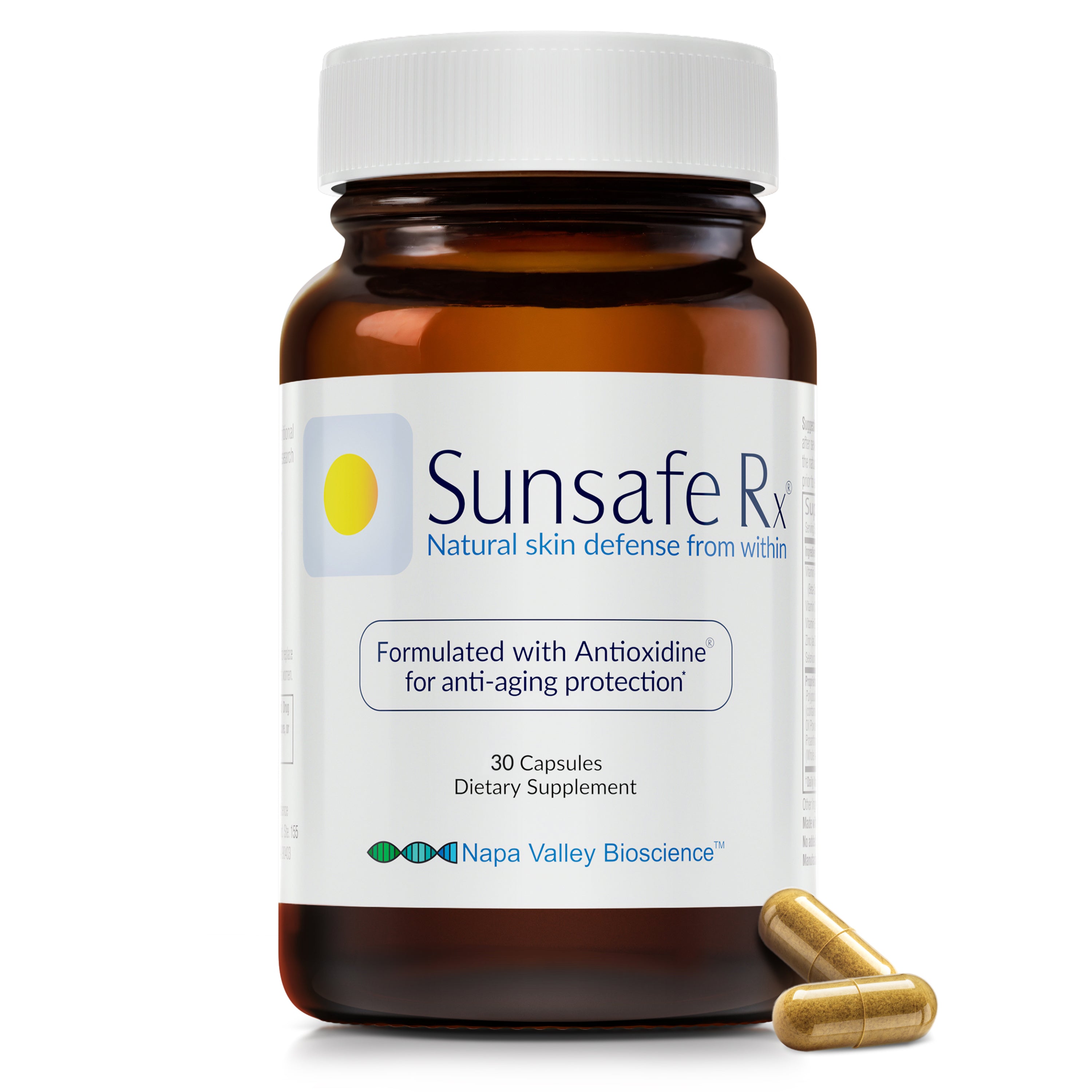
Sunsafe Rx: Natural Anti-Aging Protection
Sunsafe Rx is made with ingredients clinically proven to protect your skin and eyes. One capsule per day provides natural, anti-aging protection and improves the appearance of your skin. Empower your skin from within—while supporting the health of your whole body. This is next-generation skincare. This is Sunsafe Rx.
Long-term effects are invisible in the short term and accumulate silently over years and decades. They include: accelerated collagen and elastin breakdown, progressive hyperpigmentation and uneven skin tone, thinning of the skin’s dermal layer, development of actinic keratoses (precancerous lesions), and increased lifetime risk of basal cell carcinoma, squamous cell carcinoma, and melanoma.
The dangerous asymmetry of sun tanning is that the short-term effects are pleasant and the long-term effects are invisible until they are not. By the time the long-term damage becomes visible — in the form of significant photoaging or a skin cancer diagnosis — years or decades of cumulative UV damage have already occurred.
Sun Tanning and Accelerated Skin Aging
Photoaging deserves its own focus because it is both the most universally experienced consequence of sun tanning and the one most people are actively trying to prevent through skincare spending.
The characteristics of photoaged skin include: deep wrinkles and fine lines (particularly around the eyes and mouth), loss of skin elasticity and firmness, rough and leathery skin texture, uneven skin tone and hyperpigmentation (sun spots, age spots, melasma), enlarged pores, broken capillaries and redness (telangiectasias), and thinning of the skin overall.
All of these changes are primarily driven by cumulative UV exposure — not by chronological aging. Twin studies have demonstrated this clearly: identical twins with significantly different lifetime UV exposure histories show dramatically different degrees of visible skin aging, despite having identical genetics. In other words: get less sun, look relatively younger over time.
The collagen and elastin lost to UV exposure cannot simply be replaced by topical retinoids or collagen creams. Prevention — limiting UV exposure and supporting the skin’s antioxidant defenses — is significantly more effective than any post-damage treatment approach.
You might be interested in: How to treat sunburn?
Safer Alternatives to Sun Tanning
For those who prefer the look of tanned skin, several alternatives deliver the aesthetic without the UV damage.
Self-tanning products containing dihydroxyacetone (DHA) react with amino acids in the outer skin layer to produce a brown color. They do not involve any UV exposure and do not increase skin cancer risk. Modern formulas have improved significantly and can produce natural-looking results.
Spray tans use the same DHA chemistry applied professionally. The result is typically even and natural-looking when applied correctly.
Bronzing makeup provides immediate color with no chemical reaction or UV involvement, washes off with cleansing, and carries no health concerns.
None of these alternatives involve UV radiation, DNA damage, collagen degradation, or increased skin cancer risk. They are the genuinely safer choice for anyone who values the appearance of tanned skin.
How to Protect Your Skin During Outdoor Time
For those who spend time outdoors — which most people do and should — a layered protection strategy is the most effective approach.
Broad-spectrum SPF 30+ sunscreen applied to all exposed skin 15–20 minutes before going outdoors, reapplied every two hours and after swimming or sweating. Understanding the known limitations of topical sunscreen is important for building a truly comprehensive protection strategy. Broad-spectrum coverage means protection against both UVA and UVB radiation — not just UVB, which many older sunscreen formulations targeted.
UPF-rated protective clothing — long sleeves, wide-brimmed hats, UV-blocking sunglasses — provides reliable, consistent UV protection that does not degrade the way sunscreen does through sweating, wiping, or incomplete reapplication.
Time-of-day strategy — UV intensity is highest between 10 a.m. and 4 p.m. Planning outdoor activity outside these hours, or prioritizing shade during them, significantly reduces total UV dose without eliminating outdoor time.
Daily internal antioxidant support — because even excellent topical protection does not fully eliminate UV-induced free radical activity in the skin. This is where oral supplementation with clinically researched antioxidant ingredients plays a meaningful complementary role.
Supporting Your Skin from the Inside Out
When UV radiation reaches the skin — even through adequate sunscreen application — it generates reactive oxygen species deep in the dermis where no topical product reaches. These free radicals attack skin cells, degrade collagen, and trigger inflammatory cascades that accelerate the visible aging effects of sun exposure. Oral antioxidant supplementation can help address this internal dimension of UV-induced damage.
We cannot describe Sunsafe Rx as a sunscreen or SPF, or make any disease claims. Sunsafe Rx should be used as an internal skincare solution and always used in combination with topical sunscreen lotion for external protection during sun exposure.
Internal Antioxidant Support
Polypodium leucotomos (PL) extract is the foundational ingredient in the Antioxidine® complex — a tropical fern extract that has been studied extensively for its role in supporting skin health. Research published in the Journal of the American Academy of Dermatology (JAAD) shows the ingredients significantly reduce UV-induced erythema and DNA strand breaks in human skin following oral supplementation. This ingredient’s ability to support the skin’s natural defenses against oxidative damage at the cellular level makes it particularly relevant for addressing the deep-dermal processes behind hyperpigmentation and uneven skin tone. Polypodium leucotomos is also the primary ingredient in Fernblock-based oral supplements — see how the Antioxidine (Sunsafe Rx) and Fernblock formulas compare.
Lycopene, a carotenoid found in tomatoes and red fruits, has been studied extensively for its role in skin defense. A clinical study published in the British Journal of Dermatology shows the ingredients in lycopene supplementation were associated with up to a 40% reduction in UV-induced erythema — representing a measurable antioxidant effect at the skin tissue level. This makes lycopene one of the most effective single-nutrient carotenoids studied for internal skin support.
Astaxanthin, derived from marine microalgae, is one of nature’s most powerful antioxidants. A 2018 study published in Nutrients and a 2012 study in Acta Biochimica Polonica show the ingredients in astaxanthin supplementation improve skin moisture and elasticity and reduce markers of UV-related oxidative stress — directly countering the collagen-degrading effects of chronic UV exposure.
EGCG (green tea extract) has been studied across multiple peer-reviewed journals for its role in skin defense. A study published in Carcinogenesis shows the ingredients reduce UV-induced DNA damage, while research in the Journal of the American Academy of Dermatology demonstrates measurable anti-inflammatory effects — supporting the skin’s natural repair mechanisms from within.
Grape seed extract (OPC) is one of the most potent free-radical scavengers known in nutritional science. A study published in Toxicology supports its role in collagen protection and oxidative stress reduction — directly relevant to the collagen degradation that sun tanning accelerates over time.
Lutein and zeaxanthin, studied in a clinical trial published in the American Journal of Clinical Nutrition, measurably increased skin carotenoid levels and reduced UV-related reddening — with the added benefit of supporting eye health simultaneously.
Omega-3 fatty acids (DHA and EPA), derived from marine sources, play a critical role in maintaining skin barrier function and modulating the inflammatory response to UV exposure. A comprehensive review published in Marine Drugs documented the therapeutic applications of fish oil’s fatty acids for skin health, including benefits for photoaging, UV-induced inflammation, and overall skin integrity. The anti-inflammatory properties of DHA and EPA help counteract the chronic inflammatory cascades triggered by repeated UV exposure — supporting skin resilience from within.
Vitamins A, C, and E are foundational antioxidant vitamins that work synergistically to support skin defense at the cellular level. Vitamin C is essential for collagen synthesis and acts as a potent aqueous-phase antioxidant, helping neutralize free radicals before they can damage skin cell membranes. Vitamin E (tocopherol) serves as the primary lipid-phase antioxidant in cell membranes, directly scavenging free radicals generated by UV exposure. A study published in the Journal of the American Academy of Dermatology found that the combination of Vitamins C and E provided measurable UV photoprotection at the skin tissue level. Vitamin A and its precursor beta-carotene support skin cell turnover and repair, and research published in the International Journal of Vitamin and Nutrition Research has demonstrated their role in modulating the skin’s response to UV irradiation.
The minerals zinc and selenium are essential trace elements that support the skin’s antioxidant enzyme systems and repair mechanisms. Zinc is a critical cofactor in hundreds of enzymatic reactions related to skin health, including DNA repair, cell division, and immune function. A comprehensive review in Wound Repair and Regeneration documented zinc’s essential role in skin integrity and repair processes. Selenium is incorporated into selenoproteins — including glutathione peroxidase, one of the body’s most important antioxidant enzymes — and research published in the International Journal of Vitamin and Nutrition Research has demonstrated its protective effects against UV-induced oxidative stress in skin tissue.
About Sunsafe Rx
Sunsafe Rx is a daily oral supplement built around the proprietary Antioxidine® complex — a comprehensive formula combining all of these clinically researched antioxidant ingredients in one capsule taken once daily.
The Antioxidine® complex includes polypodium leucotomos extract, EGCG from green tea, grape seed extract (OPC), lycopene, astaxanthin, lutein, zeaxanthin, and omega-3 fatty acids (DHA and EPA). Also included in the Sunsafe Rx formula: Vitamin C, Vitamin E, zinc, selenium, and Vitamin A from mixed carotenes — supportive antioxidants that complement the primary proprietary Antioxidine® formula.
For a complete breakdown of each ingredient’s clinical research and mechanism of action, see the full Antioxidine® Formula Research page.
Research shows the ingredients in Sunsafe Rx support the skin’s natural defenses against environmental damage, fight the appearance of photoaging, and help neutralize free-radical activity in both skin and eye tissue — delivering inside-out antioxidant support that complements external skin protection.
Sunsafe Rx delivers 13+ clinically researched ingredients, each with independent supporting research. Research shows these ingredients work across multiple antioxidant pathways simultaneously.
Sunsafe Rx is manufactured in the USA in an FDA-registered, NSF-certified facility. Recommended by dermatologists for over a decade, Sunsafe Rx has an impressive track record as the premium internal skincare solution in its category.
Sunsafe Rx is not a sunscreen. We cannot describe Sunsafe Rx as a sunscreen or SPF, or make any disease claims. Sunsafe Rx should be used as an internal skincare solution and always used in combination with topical sunscreen lotion for external protection during sun exposure.
Explore the full range of Sunsafe Rx benefits — from anti-aging and skin resilience to eye health and whole-body antioxidant support.
When to See a Doctor
Most sun tanning consequences are cumulative and managed through prevention rather than acute treatment. However, certain signs warrant prompt dermatological attention.
See a dermatologist if you notice:
-
A new mole or spot that is asymmetrical, has irregular borders, contains multiple colors, is larger than a pencil eraser, or is changing in size, shape, or color — these are the ABCDE warning signs of melanoma
-
Any skin lesion that bleeds without injury, doesn’t heal, or recurs after healing
-
A rough, scaly patch that persists — this may be an actinic keratosis, a precancerous lesion caused by cumulative UV exposure
-
Significant changes in existing moles following heavy sun exposure
-
A sun rash or any unusual skin reaction following UV exposure
-
Any skin change that concerns you — when in doubt, have it evaluated
Individuals with sun-reactive skin conditions — including solar urticaria, polymorphous light eruption (PMLE), or vitiligo — should pay particular attention to sun protection and consult their dermatologist about a comprehensive management plan tailored to their skin type.
Anyone with a history of significant sun tanning, tanning bed use, or frequent sunburns should consider scheduling a full-body skin check with a dermatologist annually. The Skin Cancer Foundation provides comprehensive guidance on sun protection and skin cancer prevention. Early detection of skin cancer dramatically improves outcomes.
Conclusion: The Tan Is the Trade-Off
Sun tanning has a real cost — paid not at the time of the tan, but in the years and decades that follow. Every tan represents a trade: a few days or weeks of bronzed skin in exchange for measurable DNA damage, collagen degradation, oxidative stress, and a small but real increment in cumulative skin cancer risk.
Understanding this trade clearly does not mean you need to live indoors or never enjoy outdoor time. It means making protection an active, multi-pronged priority — topical SPF, protective clothing, smart sun timing, and daily internal antioxidant support — so that the time you spend in the sun carries the smallest possible long-term cost.
Sunsafe Rx, with its 13+ ingredient Antioxidine® formula, is built to deliver the internal layer of that protection every day. The ingredients work from the inside out — neutralizing free radicals, supporting collagen defense, and fighting the appearance of photoaging in ways that topical products alone cannot achieve.
Your skin keeps every record. Protecting it comprehensively — from both outside and within — is the most effective anti-aging strategy available.
Sunsafe Rx is manufactured in the USA in an FDA-registered, NSF-certified facility. It has a long track record of being recommended by dermatologists and has successfully helped many people.We cannot describe Sunsafe Rx as a sunscreen or SPF, or make any disease claims. Always use topical sunscreen during sun exposure. This article is for informational purposes only and does not constitute medical advice.
Frequently Asked Questions
Q1: Is a tan actually a sign of skin damage?
Ans: Yes. A tan is the skin’s response to UV-induced cellular damage. When UV radiation damages the DNA of skin cells, melanocytes produce melanin to absorb further radiation and limit additional damage. The tan you see is the visible result of this emergency damage-response. There is no such thing as a “healthy tan” from UV exposure — every tan represents measurable DNA damage and cumulative skin health consequences.
Q2: What does sun tanning do to your skin long term?
Ans: Long-term sun tanning causes progressive collagen and elastin breakdown (leading to wrinkles, sagging, and loss of firmness), uneven melanin distribution (resulting in sun spots and hyperpigmentation), thinning of the skin’s dermal layer, increased risk of actinic keratoses (precancerous lesions), and significantly elevated lifetime risk of basal cell carcinoma, squamous cell carcinoma, and melanoma. Studies estimate that approximately 80–90% of visible skin aging is attributable to UV exposure rather than chronological aging.
Q3: Does a gradual tan cause less damage than a sunburn?
Ans: A gradual tan still represents UV-induced cellular damage. The fact that it does not produce the acute inflammatory response of a sunburn does not mean the underlying DNA damage, collagen degradation, and free-radical generation are absent — they are simply occurring at a slower rate. Cumulative lifetime UV exposure is the relevant measure of risk, whether it accumulates through sunburns or gradual tanning over time.
Q4: Are tanning beds safer than the sun for tanning?
Ans: No. Tanning beds are classified by the World Health Organization (WHO) as a Group 1 carcinogen — the highest evidence level for cancer causation. Tanning bed use has been linked to a 29–67% increased risk of various skin cancers depending on the type, and first use before age 35 increases melanoma risk by 59%. Tanning bed UV output can exceed midday summer sunlight in intensity.
Q5: What are the best ways to protect your skin from sun tanning damage?
Ans: The most effective protection uses multiple layers: applying broad-spectrum SPF 30+ sunscreen to all exposed skin and reapplying every two hours, wearing UPF-rated clothing and wide-brimmed hats, avoiding peak UV hours between 10 a.m. and 4 p.m., and supporting the skin’s internal antioxidant defenses with a daily supplement. Research shows the ingredients in antioxidant supplements containing polypodium leucotomos extract, lycopene, astaxanthin, and EGCG support the skin’s natural defenses against UV-induced oxidative stress from the inside out.
Q6: Can an antioxidant supplement help protect skin from sun tanning damage?
Ans: Research shows the ingredients in antioxidant supplements — including polypodium leucotomos extract, lycopene, astaxanthin, and EGCG from green tea and others— support the skin’s natural defenses against UV-induced free-radical damage and oxidative stress at the cellular level. Studies published in the Journal of the American Academy of Dermatology (JAAD) and the British Journal of Dermatology document significant effects for specific ingredients. Sunsafe Rx contains these ingredients as part of its 13+ ingredient Antioxidine® formula. We cannot describe Sunsafe Rx as a sunscreen or SPF, or make any disease claims. It should always be used in combination with topical sunscreen for external protection during sun exposure.
Q7: What is the difference between UVA and UVB rays in sun tanning?
Ans: UVB rays are the primary cause of sunburn and direct DNA damage in skin cells — they are responsible for the acute inflammatory response and are strongest at midday. UVA rays penetrate more deeply into the dermis and primarily generate free radicals that break down collagen and elastin, driving photoaging. UVA is present at more consistent levels throughout the day and year and can penetrate glass. Both types contribute to cumulative skin damage and skin cancer risk.
Q8: Does Sunsafe Rx prevent sun tanning?
Ans: Sunsafe Rx does not prevent tanning and is not a sunscreen. However, evidence does show certain antioxidants can delay the tanning process. And research shows the ingredients in Sunsafe Rx support the skin’s natural defenses against UV-induced oxidative stress and free-radical damage from the inside out — working at the cellular level to complement external topical protection. Sunsafe Rx can also help improve the appearance of your skin, while being healthy for your eyes and whole body overall. We cannot describe Sunsafe Rx as a sunscreen or SPF, or make any disease claims. It should always be used alongside broad-spectrum sunscreen lotion for complete external protection during sun exposure.
Q9. What are the side effects of sun tanning?
Ans: Beyond the tan itself, UV exposure causes DNA mutations, collagen and elastin breakdown, and free-radical generation that accumulate silently over time. This shows up as premature wrinkles and sagging (UV exposure drives an estimated 80–90% of visible facial aging), hyperpigmentation, thinning skin, and a higher lifetime risk of actinic keratoses and skin cancer.
Q.10 How long can a sun tan last?
Ans: A natural tan will usually last for around 7-10 days, although this can vary for each different skin type and colour. However, any exposure to sun during that 7-10 day period could mean that your tan will hang around for longer, so the length of time it lasts really does depend on the individual.
Written by Sunsafe Rx Team |
- Published:
- By:
- Sunsafe Rx Team
- Tags:
- skin, sun damage, sun protection
Sunsafe Rx
Natural. Healthy. Powerful. This isn’t just skincare. This is the ultimate anti-aging product.

Great Skincare Goes Beyond The Surface.
Discover Sunsafe Rx — a daily antioxidant supplement designed to support skin health from the inside out. And so much more.
Subscribe and save 10% · Free shipping · Skip or cancel anytime · 60-day money-back guarantee
