


Astaxanthin is a carotenoid. More specifically, it is grouped within a class of carotenoid molecules called xanthophylls, which also include compounds such as lutein, zeaxanthin, and many others. Lutein and zeaxanthin are nutrients both present in egg yolks and various leafy green vegetables and are important for proper functioning of the retina of the eye. They have also been shown to support your skin and eyes during sun exposure.
Likewise, astaxanthin is an incredibly powerful antioxidant. It has been shown to promote your defenses against the effects of sun exposure, and furthermore to prevent other types of oxidative damage to cells throughout your body. Astaxanthin is naturally found in algae and can be consumed in your diet by eating animals that themselves accumulate astaxanthin from algae. Many different kinds of seafood, including shrimp, krill, lobster, and salmon, are great sources of astaxanthin.
Recently, astaxanthin has also been clinically shown to help prevent the appearance of wrinkles and the signs of aging, and may even make you more attractive.
There’s more info from Dr. Mercola about astaxanthin’s anti-aging and wrinkle prevention properties here:
Astaxanthin – One of the Most Powerful Antioxidants Ever Discovered
Astaxanthin, as well as lutein and zeaxanthin, are present in efficacious quantities in Sunsafe Rx; you can find some research on these compounds here:
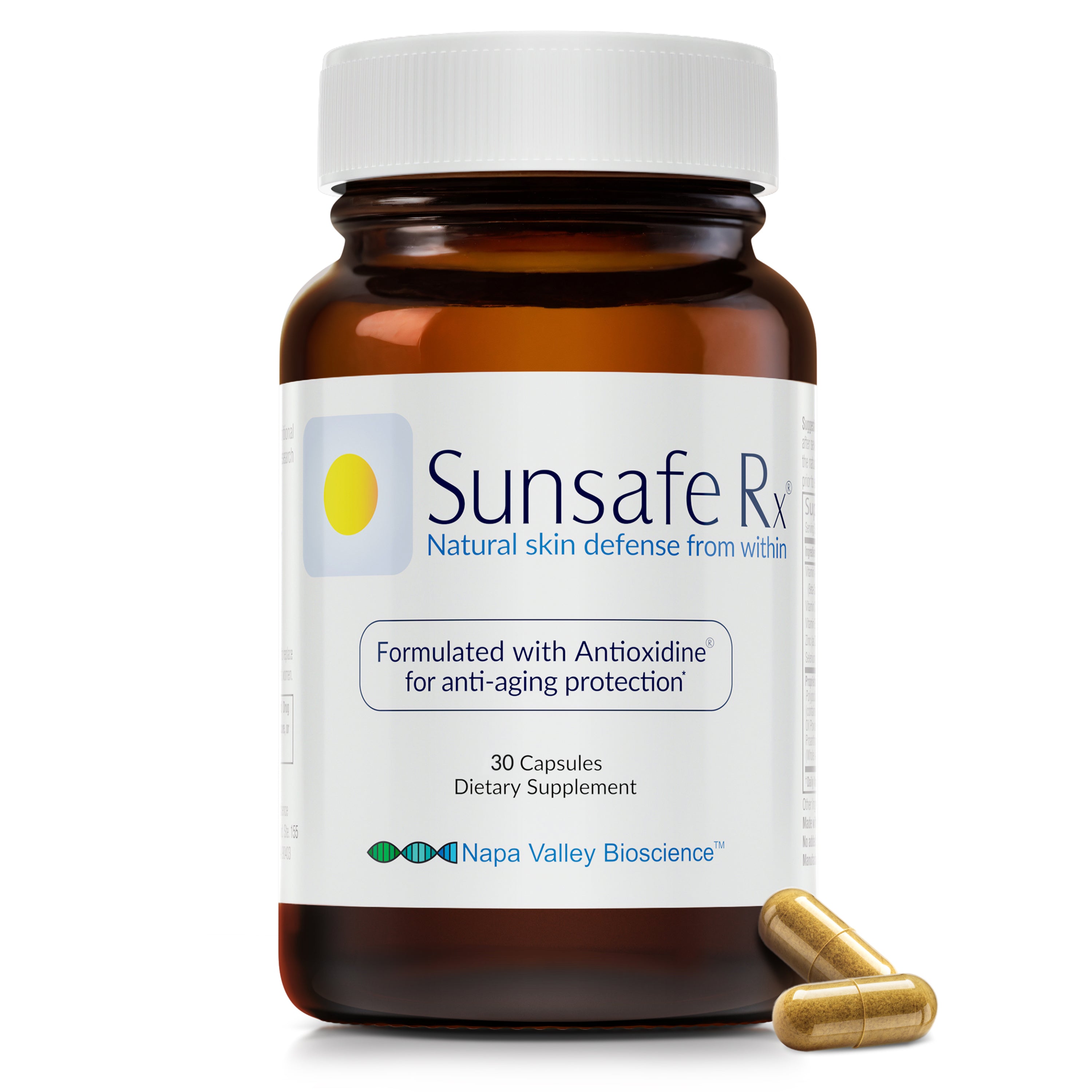
Featured Product
Sunsafe Rx: Natural Anti-Aging Protection
Sunsafe Rx is made with ingredients, including Astaxanthin and other clinically studied antioxidants, clinically proven to protect your skin and eyes. One capsule per day provides natural, anti-aging protection and improves the appearance of your skin. Empower your skin from within—while supporting the health of your whole body. This is next-generation skincare. This is Sunsafe Rx.
Sunsafe Rx Scientific Research
Frequently Asked Questions
Q1. What is astaxanthin and why is it called a wrinkle-preventing compound?
Astaxanthin is a naturally occurring carotenoid antioxidant found in algae and seafood such as salmon, shrimp, and krill. It is often called a wrinkle-preventing compound because research suggests it may help reduce oxidative stress and support skin elasticity and hydration. Studies have explored its potential role in reducing visible signs of aging, including fine lines and wrinkles.
Q2. How does astaxanthin support healthy skin and anti-aging?
Astaxanthin supports healthy skin primarily through its antioxidant activity, which helps neutralize free radicals caused by ultraviolet radiation and environmental stressors. Oxidative stress can contribute to premature aging, dryness, and reduced skin elasticity. Research suggests astaxanthin may help improve moisture retention, skin texture, and the overall appearance of aging skin when used consistently.
Q3. Can astaxanthin help protect the skin from sun exposure?
Research indicates that astaxanthin may help support the skin’s natural defenses against UV-induced oxidative damage. Studies have shown that antioxidants such as astaxanthin may help reduce some visible effects of sun exposure, including dryness and premature aging. However, astaxanthin is generally considered a supportive antioxidant and not a replacement for sunscreen or other protective measures.
Q4. What makes astaxanthin different from other antioxidants?
Astaxanthin is considered one of the more potent carotenoid antioxidants because it can help protect multiple parts of the cell from oxidative stress. Unlike some antioxidants that work only in certain cellular environments, astaxanthin has the ability to function across the entire cell membrane. Research has compared its antioxidant capacity favorably against several common antioxidants in specific laboratory settings.
Q5. Is astaxanthin safe for regular use?
Astaxanthin is generally considered safe when consumed in moderate amounts through food or supplements. Clinical studies involving healthy adults have reported good tolerance and minimal side effects when taken within recommended ranges. As with any supplement, individuals with medical conditions, those who are pregnant, or people taking medications should consult a healthcare professional before beginning regular use.
Written by Sunsafe Rx Team |


