


The sun makes life on earth possible. Sunlight also has direct health benefits for humans, catalyzing our production of Vitamin D and even enhancing our mood. Plus, many enjoyable activities involve being in the sun; it’s fun to be outdoors.
Yet unfortunately, there is a trade-off. Every second you’re in the sun damages your skin. This skin aging is cumulative and irreversible. It can also lead to serious long-term health consequences including skin cancer.
Here’s a little bit more information about sunlight and how it affects us:
Sunlight
The sun emits Ultraviolet A (UVA) and Ultraviolet B (UVB) radiation (in addition to other radiation spectra). These rays create free radicals throughout your skin, damaging DNA, cellular structures, proteins, and connective tissue such as collagen and elastin. UVA and UVB radiation also induce inflammation, harm the sensitive cells of your eyes, and can even suppress the immune system (increasing the chances of getting sick). This free radical damage leads to skin aging, wrinkles, sunspots, and even serious health concerns.
UVB
UVB radiation causes tanning by stimulating specialized skin cells called melanocytes to produce and release more melanin (the pigment that gives your skin its color). UVB rays also stimulate the production of Vitamin D in your skin. However, UVB rays damage the DNA in your skin cells and are responsible for sunburns.
UVA
UVA rays penetrate deeper into your skin than UVB, causing damage to many different skin structures including collagen and elastin. Even thought UVA rays don’t stimulate tanning or produce sunburn, they potentially cause more adverse consequences than UVB and are accountable for a disproportionate share of the blame in the aging of your skin.
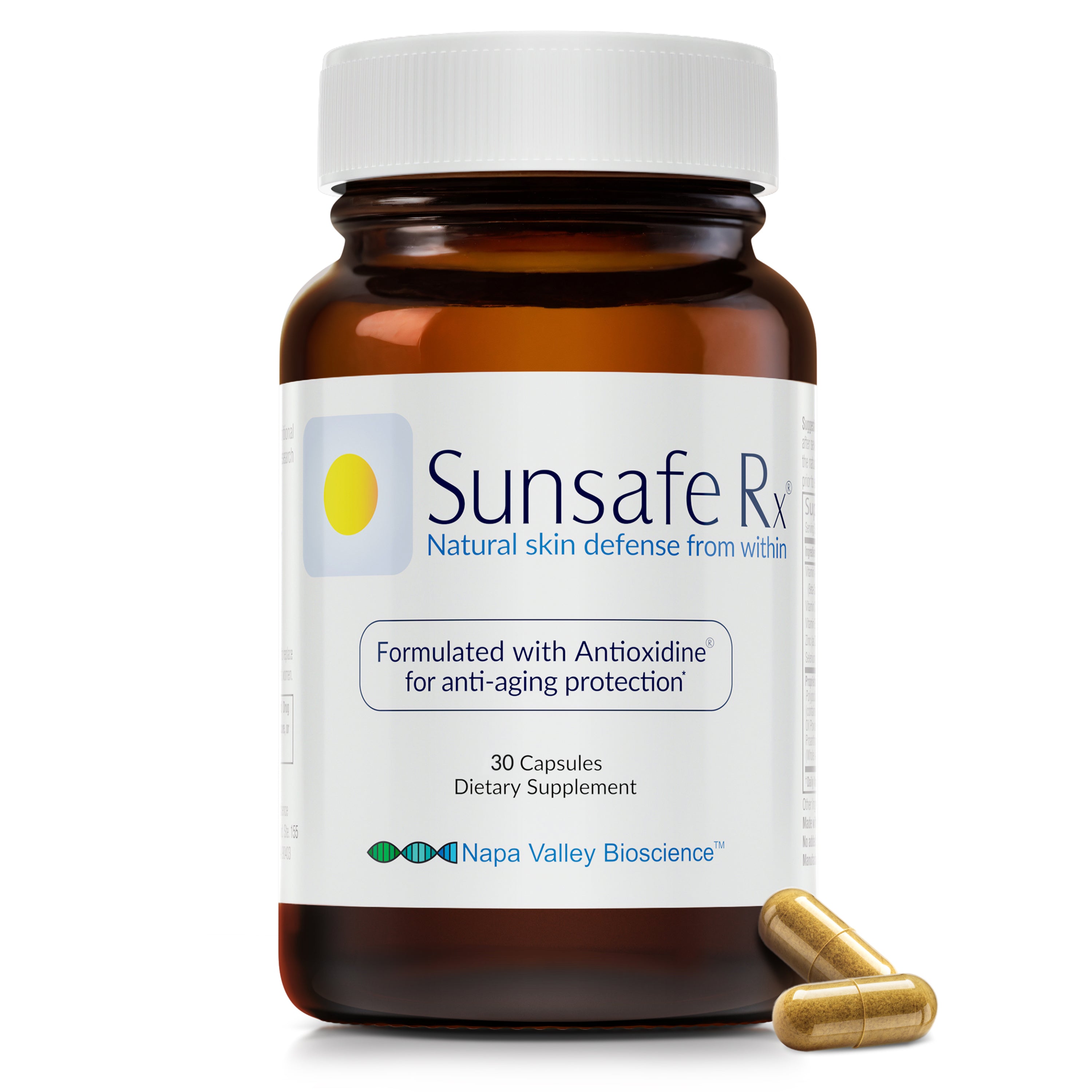
Featured Product
Sunsafe Rx: Natural Anti-Aging Protection
Sunsafe Rx is made with ingredients clinically proven to protect your skin and eyes. One capsule per day provides natural, anti-aging protection and improves the appearance of your skin. Empower your skin from within—while supporting the health of your whole body. This is next-generation skincare. This is Sunsafe Rx.
While UVB rays peak in intensity in the middle of the day and the middle of the summer, UVA rays remain a consistent intensity from morning until evening and are nearly as strong in the winter as the summer. This means that even when you are not tanning or getting burned by UVB rays, you may still be sustaining serious damage from UVA radiation – without ever realizing it!
You might be interested in: How to treat sunburn?
How To Protect Yourself From The Sun
You can protect yourself from sun damage by covering up or using a sunscreen lotion. But be careful which sunscreen you choose, as topical sunscreens have drawbacks–including the fact that many topical sunscreens contain unhealthy chemicals that may actually cause more harm then good.
Sunsafe Rx
Oral supplements such as Sunsafe Rx can provide supplemental support for your skin and eyes during environmental exposure (and can be used synergistically with non-toxic sunscreen lotions with zinc oxide as the active ingredient). Learn more about the revolutionary Sunsafe Rx here:
Frequently Asked Questions
Q1. How does sunlight affect the human body?
Sunlight affects the body in both beneficial and harmful ways depending on the level and duration of exposure. Moderate sunlight exposure helps the body produce vitamin D, which supports bone health and immune function. However, excessive ultraviolet radiation can contribute to oxidative stress, premature skin aging, eye damage, and long-term skin health concerns.
Q2. What is ultraviolet radiation and why is it important?
Ultraviolet (UV) radiation is a form of energy produced by the sun and categorized into UVA, UVB, and UVC rays. UVA rays penetrate deeper into the skin and are associated with premature aging, while UVB rays are more closely linked to sunburn. Understanding UV radiation is important because prolonged exposure may increase oxidative stress and affect overall skin and eye health over time.
Q3. Can ultraviolet radiation affect the skin even on cloudy days?
Yes, ultraviolet radiation can still reach the skin during cloudy or overcast weather. Although clouds may reduce visible sunlight, a significant portion of UV rays can still penetrate through the atmosphere and affect the skin. This is why many dermatologists recommend consistent sun protection habits throughout the year, regardless of weather conditions or season.
Q4. How does UV exposure contribute to skin aging?
Excessive UV exposure can accelerate visible skin aging through oxidative stress and the breakdown of collagen and elastin fibers in the skin. Over time, this may contribute to wrinkles, uneven skin tone, dryness, and reduced skin elasticity. Experts often recommend combining sunscreen, protective clothing, antioxidants, and shade to help minimize the long-term effects of ultraviolet radiation on the skin.
Q5. What are common ways to protect yourself from ultraviolet radiation?
Common sun protection strategies include using broad-spectrum sunscreen, wearing hats and protective clothing, limiting prolonged exposure during peak sunlight hours, and wearing UV-protective sunglasses. Many people also include antioxidant-rich foods and supplements in their wellness routines to help support the body’s natural defenses against oxidative stress caused by environmental exposure.
Written by Sunsafe Rx Team |


