


If you use topical sunscreen lotions, here are some important points to understand this summer (from ABC News):
The Truth About Sunscreen: Are Labels Lying?
This video and accompanying article explain how much sunscreen is actually necessary to receive the purported benefits of sunscreen lotions, that the benefits of sunscreen lotions may be misleading, that many sunscreen lotions don’t actually protect you very well from UVA rays, and that sunscreen lotions aren’t actually sweatproof or waterproof.
The second video (plays automatically after the first) with Diane Sawyer also mentions that the incidence rates of melanoma and nonmelanoma skin cancer are increasing (1 American dies of melanoma every hour), but misses on the causes of melanoma. Melanoma really isn’t well understood, and one scientific theory is that melanoma may be caused in part by a lack of Vitamin D.
Of course, this ABC story also fails to mention that many of the ingredients in topical sunscreen lotions are toxic, and some of these chemicals may actually increase free radical damage to your skin. For more information on sunscreens, including recommendations, please read this page:
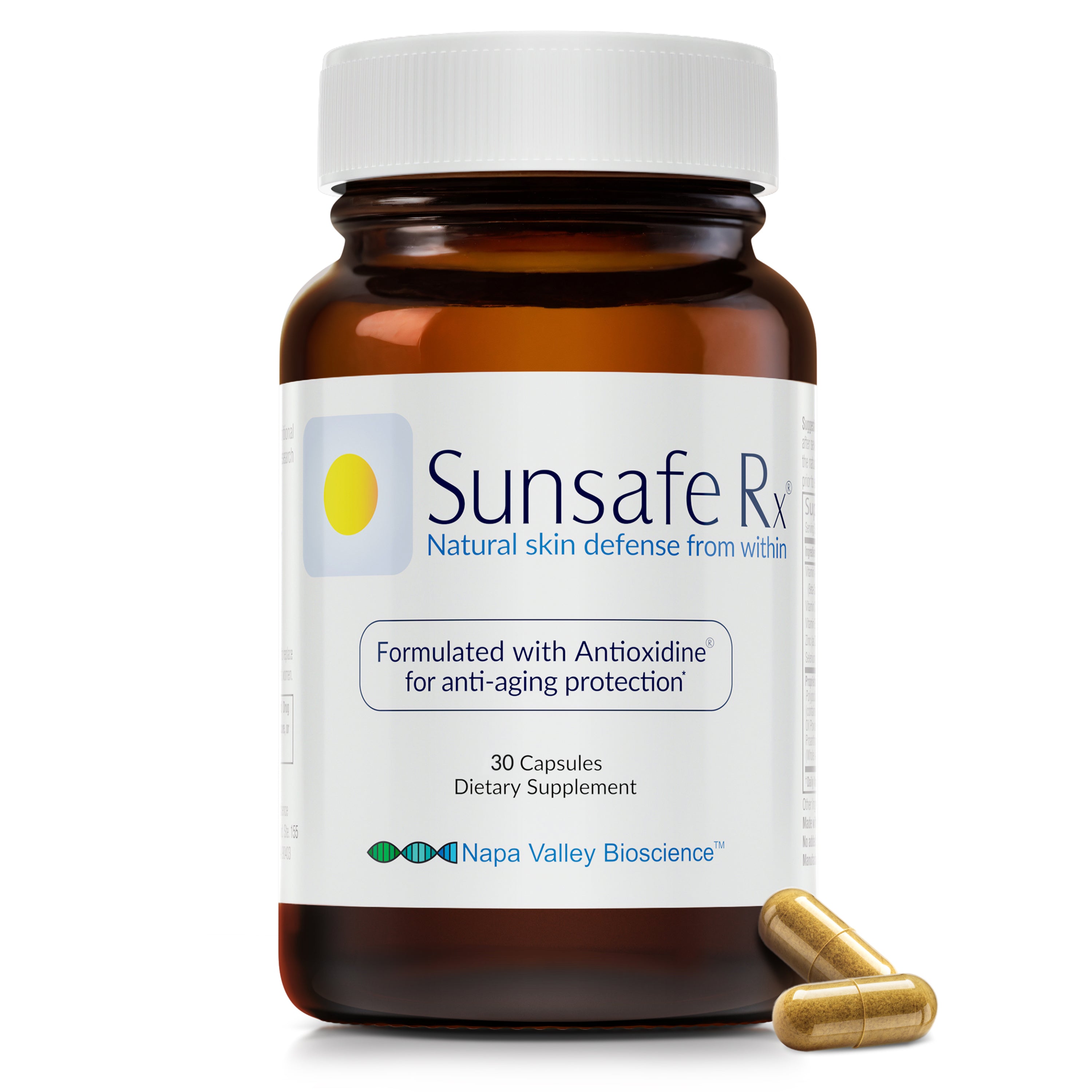
Featured Product
Sunsafe Rx: Natural Anti-Aging Protection
Sunsafe Rx is made with ingredients clinically proven to protect your skin and eyes. One capsule per day provides natural, anti-aging protection and improves the appearance of your skin. Empower your skin from within—while supporting the health of your whole body. This is next-generation skincare. This is Sunsafe Rx.
The Drawbacks Of Sunscreen Lotion
Frequently Asked Questions
Q1. Are sunscreen labels always completely accurate?
Sunscreen labels are regulated, but understanding them can sometimes be confusing for consumers. Terms such as “water resistant,” “broad spectrum,” and SPF values indicate different types of protection, yet effectiveness also depends on proper application and reapplication. Experts emphasize that even high-SPF sunscreens require correct usage to provide the expected level of sun protection.
Q2. What does SPF actually mean on sunscreen products?
SPF, or Sun Protection Factor, measures how effectively a sunscreen helps protect the skin from UVB rays, which are mainly responsible for sunburn. However, SPF does not directly measure UVA protection, which is also linked to skin aging and long-term skin damage. A higher SPF can offer more protection, but no sunscreen blocks 100% of UV radiation.
Q3. Are waterproof or sweatproof sunscreens truly permanent?
No sunscreen is completely waterproof or sweatproof forever. Products labeled as “water resistant” are designed to maintain protection for a limited amount of time during swimming or sweating, usually 40 or 80 minutes. After that period, sunscreen should be reapplied to maintain effective protection against ultraviolet radiation and sun damage.
Q4. Can sunscreen alone fully protect your skin from sun damage?
Sunscreen is an important part of sun protection, but experts recommend combining it with additional protective measures such as wearing hats, sunglasses, and protective clothing. Seeking shade and limiting sun exposure during peak UV hours can also help reduce long-term skin damage and premature aging caused by ultraviolet radiation.
Q5. Why is there debate around sunscreen ingredients and effectiveness?
Some discussions around sunscreen focus on ingredient safety, UVA protection, and how effectively people apply sunscreen in real-world situations. Research continues to evaluate sunscreen ingredients and their long-term effects, while health organizations still recommend sunscreen as part of a broader sun protection strategy. Consumers are encouraged to choose broad-spectrum products and follow usage instructions carefully.
Written by Sunsafe Rx Team |


