


Here’s how to achieve the amazing glow that you know your skin should have:
1. Eat Lots Of Colorful Veggies
Antioxidants and nutrients such as lutein, astaxanthin, zeaxanthin, lycopene, beta carotene, lutein, zinc, selenium, Vitamin A, and many others are excellent for your complexion. Spinach, broccoli, kale, carrots, tomatoes, red bell peppers (more vitamins than yellow, orange, or green), onions, and other colorful foods like squash, sweet potatoes, and yams are great choices.
2. Eat Fish
Fresh, fatty, colorful fish like salmon is best. The astaxanthin in salmon has been shown to help impart a healthy glow to skin.
3. Take Cod Liver Oil
Cod liver oil contains healthy saturated fats that many people don’t get but are essential to healthy skin. It also contains unsaturated, essential fatty acids including DHA and EPA omega-3 fatty acids, copious amounts of Vitamin A, and Vitamin D. A couple teaspoons of cod liver oil a couple times a week is probably about the right amount for most people.
4. Exercise
And sweat! Sweating helps flush toxins out of your skin and pores, not to mention the fact that exercise makes you feel good. Saunas can also be beneficial.
5. Cut The Sugars (And Limit The Complex Carbs)
This means no fruit juices, no candy, and no sugar or honey in your coffee. Yes, agave nectar is sugar (basically pure fructose) and it is garbage for your body. Limit your fruit intake as well. Carbohydrates (sugars) spike your insulin, damage your cardiovascular system, and are inflammatory (and can make your skin look “puffy” or agitated). The great majority of people notice an improved complexion when they limit their sugar consumption.
6. Don’t Use Soap On Your Face
It just dries the skin out. Use water. Cold, or lukewarm. Wash gently with a soft washcloth. There is no reason to scrub. The water shouldn’t be hot! And remember, the skin of your face is especially thin and sensitive, so a shower with water that doesn’t feel hot on your body may still be too hot for your face. Occasionally (possibly once a week at most if you have thick skin or a beard) you may exfoliate gently by lightly rubbing in small circles for a few seconds, or in areas where you have blemishes, but go easy on your facial skin! If you need to remove makeup, try removing it with coconut oil.
7. Avoid Eating Fried Foods
Also, avoid vegetable oils like canola oil and corn oil. If you have to fry food, use coconut oil. You can also use olive oil (olives are actually a fruit).
8. You Need Fat
You also need cholesterol–it is an essential compound in every cell of your body (although you also synthesize it). Both fat and cholesterol are integral to health. But you must obtain your fat from whole foods (basically fresh foods, not packaged junk). Get your fat from whole milk (don’t overdo the milk though), whole plain yogurt (NO added sugars or fruit), eggs (with the yolk–where the majority of the nutrients lie), butter (from 100% grass-fed cows), cheese, nuts, avocado, coconut oil, olive oil, cod liver oil, and from meats like chicken, turkey, beef, and fish. Make sure the meat is not cured, salted, treated with nitrates or nitrite, or otherwise adulterated in any way. Broiling or boiling or sauteing or roasting (not frying or BBQing) is usually best. If you do eat beef, make sure it is grass fed. Grass fed beef actually has a different nutrition profile than grain fed beef–grass fed is leaner, higher in omega-3 fatty acids, and has more vitamins as well. Note: fat from whole food natural sources won’t make you fat, it’s the non-satiating carbohydrates/sugars that will pack on pounds.
9. Avoid Mineral Oil-Based Products And Other Synthetic Chemicals
Avoid putting mineral oil-based products, and other lotions, creams, etc. made with synthetic chemicals, on your skin. Also, avoid makeup as often as possible, wearing as little as possible if you think you do need to wear it.
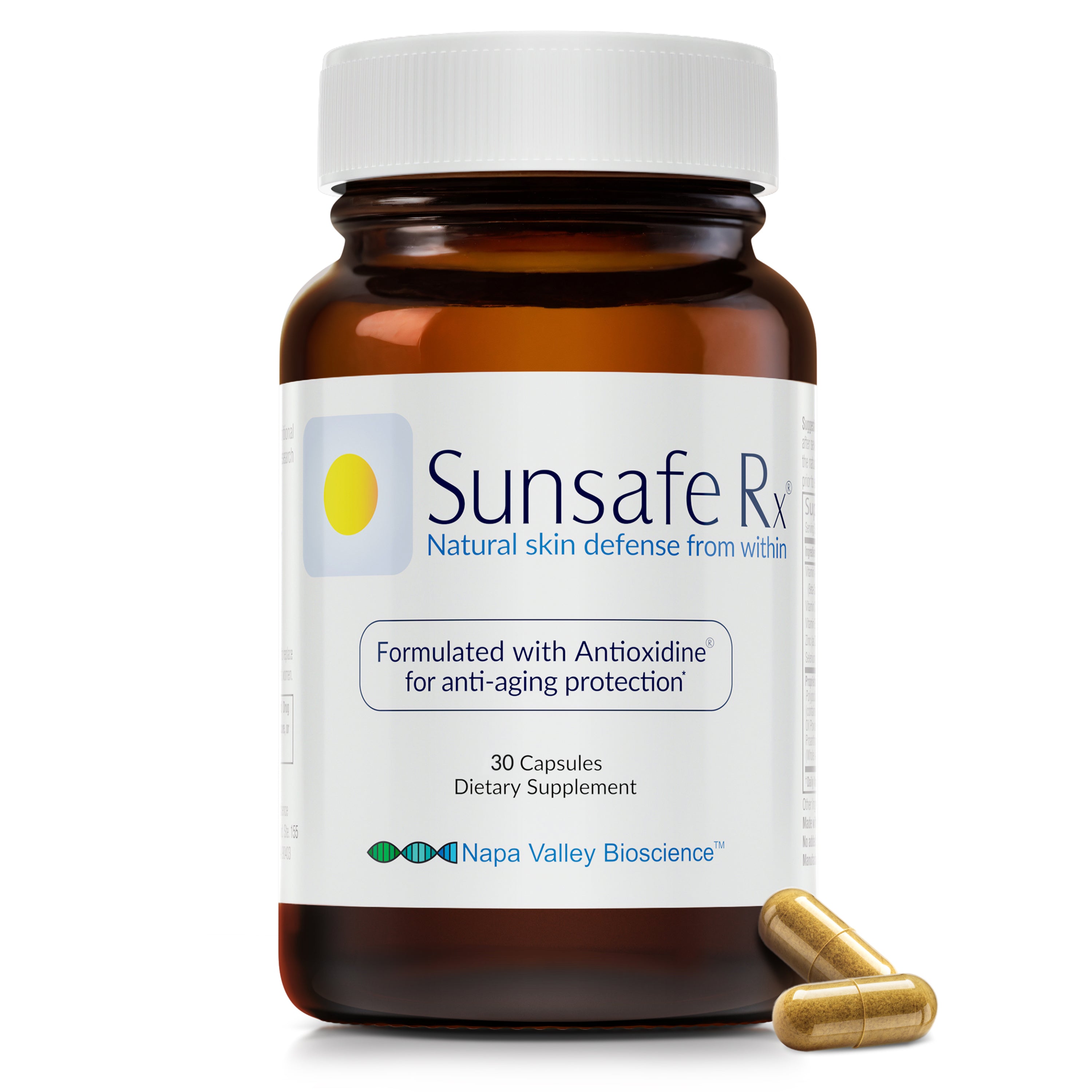
Featured Product
Sunsafe Rx: Natural Anti-Aging Protection
Sunsafe Rx is made with ingredients clinically proven to protect your skin and eyes. One capsule per day provides natural, anti-aging protection and improves the appearance of your skin. Empower your skin from within—while supporting the health of your whole body. This is next-generation skincare. This is Sunsafe Rx.
10. Stay Out Of The Sun
There is nothing more damaging and aging to your skin than sun exposure–winter or summer. The fact that the ozone layer that protects us from solar radiation is depleting only makes sun exposure even more damaging.
11. Wear A Hat
Wearing a hat is one of the easiest actions you can take to protect your skin while you are outdoors during the day.
12. Use An Oral Supplement To Protect Your Skin And Use Sunscreen Lotion With Only Zinc Oxide
You may consider using a premium nutritional supplement called Sunsafe Rx. Sunsafe Rx contains antioxidants from natural sources shown to promote your defenses against free-radical damage and the effects of the environment. Not only does Sunsafe Rx support your skin (and eyes) from the elements, it also has carotenoids (a class of antioxidant including carotenes and xanthophylls present in many vegetables and fruits) and polyphenols (from natural sources like green tea, grape seeds, and polypodium leucotomos) that all contribute to your skin’s healthy appearance.
If you use a topical sunscreen lotion in the sun, use one that has zinc oxide (it can also include titanium dioxide) as the ONLY active ingredient, and avoids the other ingredients listed here:
The Drawbacks Of Using A Topical Sunscreen
13. Supplement With Vitamin D
Most people are deficient, and are severely lacking in Vitamin D production in the winter in North America. The amount needed varies by individual, but most people will need at least 4000 IU per day if they are not getting midday summer sun (which they aren’t most of the year, and which ages your skin anyway). Here’s more guidance on Vitamin D from Dr. Mercola:
Why The New Vitamin D Recommendations Spell Disaster For Your Health
14. Avoid Vitamin A In Topical Products You Wear Outdoors
Don’t use any cosmetics, sunscreens, lotions, or other skin products that contain Vitamin A (or retinol or retinal or retinyl or retinoic acid). These break down into free radicals in sunlight and will only further the damage to your skin.
15. Avoid Eating Grains
Avoid eating most grains, especially glutinous grains such as wheat, barley, and rye. This means no bread, no cereal, and no pasta. If you have to eat a grain, try quinoa or brown rice or oats, although it may still be best to limit these.
16. Drink Plenty Of Water
Replace all fruity or sugary drinks with water or green tea.
17. Don’t Smoke
Obviously.
18. Get Plenty Of Sleep
Some experts also mention that sleeping on your back (face up) can help prevent wrinkles, but this may not be comfortable for everyone.
19. Keep Sheets And Towels Clean
Keep your sheets, pillow case, wash cloth, and bath towels clean. Make sure laundry detergent has been completely rinsed out after washing.
20. Reduce Stress
Stress causes the production of cortisol(as does lack of sleep) which has detrimental effects on body health and skin complexion. This may not always be realistic, but planning ahead helps; striving to complete deadlines early or leaving plenty of time to get ready for work or drive to appointments can help considerably.
21. Find Time To Relax
And wherever possible, avoid (or solve or overcome) the things in your life that create the most anxiety.
Frequently Asked Questions
Q1. What are the most important habits for maintaining clear and healthy skin?
Healthy skin is often supported by consistent daily habits such as eating nutrient-rich foods, staying hydrated, getting enough sleep, exercising regularly, and protecting the skin from excessive sun exposure. Experts also recommend reducing stress, avoiding smoking, and maintaining a gentle skincare routine. These lifestyle choices may help support the skin barrier and improve overall skin appearance over time.
Q2. How does diet affect skin health and appearance?
Diet can significantly influence skin health because nutrients such as antioxidants, vitamins, minerals, and healthy fats help support normal skin function. Foods rich in colorful vegetables, omega-3 fatty acids, and antioxidants may help reduce oxidative stress and support a healthier complexion. Excessive sugar and highly processed foods, on the other hand, may contribute to inflammation and negatively affect skin appearance.
Q3. Why is hydration important for healthy skin?
Hydration plays a key role in supporting skin elasticity, texture, and overall appearance. Drinking enough water may help maintain the skin’s moisture balance and support normal barrier function. Proper hydration, combined with healthy nutrition and skincare habits, can help the skin appear smoother and healthier while reducing dryness caused by environmental exposure.
Q4. Can antioxidants help improve skin health?
Antioxidants help protect the body from oxidative stress caused by free radicals generated through pollution, UV exposure, and normal metabolism. Ingredients such as green tea extract, lycopene, astaxanthin, vitamins C and E, and grape seed extract are commonly studied for their role in supporting skin wellness and healthy aging. A diet rich in antioxidants may help maintain healthier-looking skin over time.
Q5. How does sun exposure impact skin health and aging?
Excessive ultraviolet radiation is one of the major contributors to premature skin aging and visible skin damage. Long-term sun exposure may affect skin texture, elasticity, and overall appearance through oxidative stress and collagen breakdown. Using sun protection strategies such as sunscreen, hats, protective clothing, and antioxidant support may help reduce the effects of environmental exposure on the skin.
Written by Sunsafe Rx Team |


